
Table of Contents
How to Prune Roses for Maximum Blooms
Pruning roses is an important part of keeping your roses healthy and blooming. Pruning helps to remove dead or diseased wood, encourages new growth, and helps to shape the plant. Here are some tips for pruning roses for maximum blooms:
1. Start by removing any dead or diseased wood. Cut back any canes that are dead or have signs of disease.
2. Cut back any canes that are crossing or rubbing against each other. This will help to promote air circulation and reduce the risk of disease.
3. Cut back any canes that are growing too tall or too wide. This will help to keep the plant in a manageable size and shape.
4. Cut back any canes that are growing in an awkward direction. This will help to keep the plant looking neat and tidy.
5. Cut back any canes that are not producing flowers. This will help to encourage new growth and more blooms.
6. Finally, cut back any canes that are older than two years. This will help to promote new growth and more blooms.
Now you can help to ensure that your roses are healthy and blooming all season long. But what season should you do your pruning in? We’ll cover that next, so keep reading!
When is the Best Time to Prune Roses?
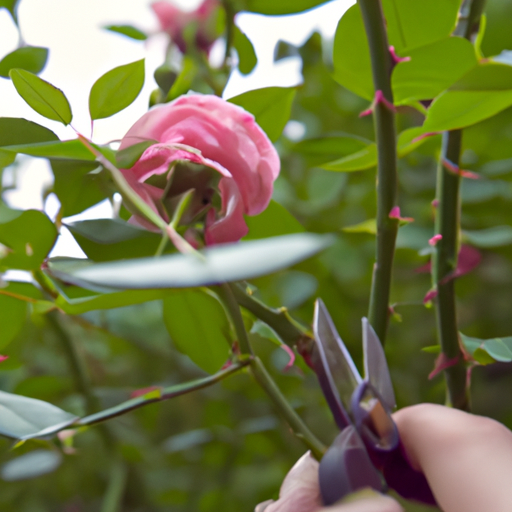
If you’re a rose enthusiast, you understand that pruning is a crucial task for maintaining the health and beauty of your plants. But knowing exactly when to make those cuts can be perplexing. When is the ideal time to prune your roses to ensure a spectacular bloom?
The answer largely depends on the specific type of rose you’re cultivating. For most modern varieties, including hybrid teas, floribundas, and grandifloras, the best time to perform a major prune is in late winter or early spring. This is typically after the last hard frost but just before the buds begin to swell and show new growth. Pruning during this dormant period minimizes the shock to the plant and reduces the risk of disease. This “hard prune” encourages vigorous new growth from the base of the plant, which will produce the season’s most spectacular flowers.
For hybrid tea roses, a late winter or early spring pruning is essential. This practice stimulates the plant to send up strong new canes, which will bear more abundant and larger flowers.
If you have a shrub rose, your approach can be a bit more flexible. While you can certainly prune it in late winter or early spring, you can also perform a lighter prune in late summer or early fall. Pruning after the first major flush of blooms in summer can encourage a second wave of flowers in the fall.
Climbing roses have their own set of rules. They should be pruned in late winter or early spring, right after the flowers fade. Unlike other roses, you want to encourage a framework of main canes, so the focus is on removing dead, diseased, or crossing canes and trimming the side shoots that produced flowers. This will encourage the development of more flower-bearing laterals and keep the climber healthy and manageable.
Old garden roses that bloom only once a year should be pruned immediately after they finish flowering in the summer. Pruning them in the spring would remove the very wood that is set to produce this year’s blooms.
No matter what type of rose you have, regular, thoughtful pruning is a non-negotiable part of their care. It helps improve air circulation, prevent disease, remove dead or weak wood, and shape the plant. So, if you want your roses to be the envy of the neighborhood, make sure to prune them at the right time and with the right technique each year.
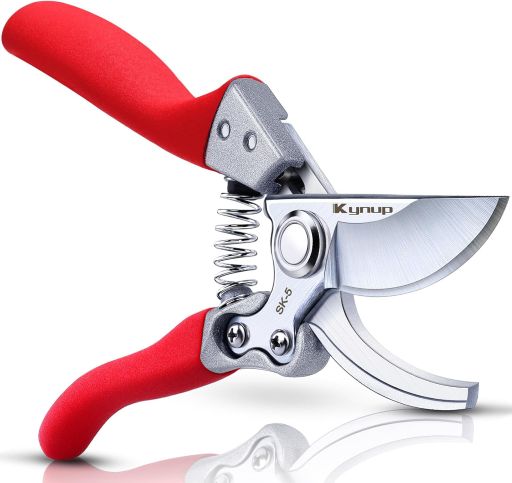
Get Your Rose Pruning Shears Now:

Essential Pruning Tools for Rose Care
To get the job done right, you’ll need the right tools. Here are the essential pruning tools for expert rose care:
1. Pruning Shears: Pruning shears are the most important tool for rose care. They’re used to cut away dead or diseased branches and to shape the bush. Look for a pair of shears with a sharp blade and comfortable handles.
2. Loppers: Loppers are larger than pruning shears and are used to cut thicker branches. They’re especially useful for removing dead wood and shaping the bush.
3. Pruning Saw: A pruning saw is a must-have for removing larger branches. It’s also useful for cutting through thick canes.
4. Gloves: Pruning roses can be a prickly job, so it’s important to wear gloves to protect your hands. Look for a pair of gloves that are thick enough to protect you from thorns but still allow you to have a good grip on the tools.
5. Pruning Sealer: Pruning sealer is a wax-like substance that helps to protect the cut ends of the branches from disease. It’s important to use pruning sealer after pruning to help keep your roses healthy.
And along that line, you should also take care not to spread diseases between your plants. Sterilize all your pruning equipment between uses and if you work on a diseased plant, take extra care to do so before you move on to the next rose plant. Fungal diseases in roses are easily spread from plant-to-plant with pruning shears! With the right tools, you’ll be able to keep your roses looking their best and enjoy fresh flowers indoors too!
How to Prune Roses for Maximum Vase Life
If you want to get the most out of your roses, pruning them before you put them in a vase is essential. Here’s how to do it for maximum vase life:
1. Start by cutting the stems at an angle. This will help the roses absorb more water and keep them looking fresh for longer.
2. Remove any leaves that will be below the water line. This will help prevent bacteria from forming in the water and will also help the roses look their best.
3. Cut off any dead or damaged petals. This will help the roses look their best and will also help them last longer.
4. If the roses have thorns, remove them. This will help protect your hands and will also help the roses look their best.
5. Place the roses in a vase filled with fresh, cool water. Make sure to change the water every few days to keep the roses looking their best and consider adding an aspirin tablet.
By consistently following these steps, you’re not just caring for your roses; you’re cultivating a vibrant display of beauty. This routine will help you get the most out of your plants, ensuring they remain healthy, produce abundant blooms, and look their absolute best for as long as possible. Happy gardening!