
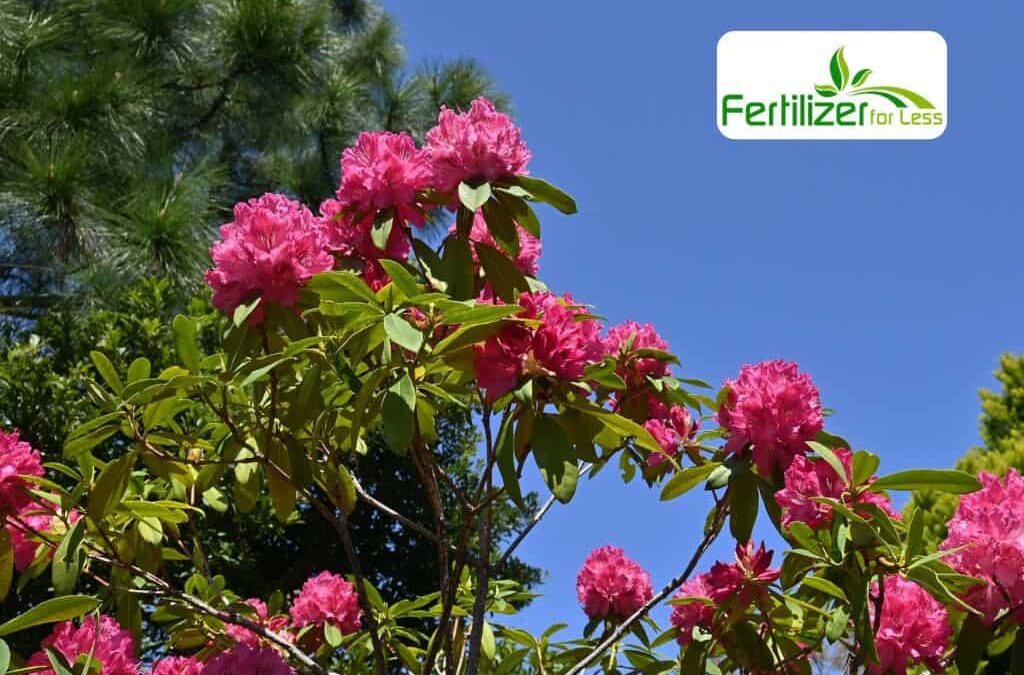
Growing rhododendrons can bring spectacular color to your garden each spring. These evergreen shrubs produce massive clusters of bell-shaped flowers that capture the attention of anyone walking by. You might think these gorgeous plants require constant pampering to look their best.
The truth is that they simply need the right environment and the right nutrients to thrive. Proper feeding is the secret to getting those dark green leaves and prolific blooms year after year. We want to share exactly how to give your plants the exact diet they crave.
In this post, we will explain the specific nutritional needs of acid-loving shrubs. You will discover the best fertilizer for rhododendrons and learn exactly when to apply it. We will also cover essential care tips to keep your gardens looking spectacular.

Understanding the Rhododendron Family
Rhododendrons belong to the Ericaceae family, which includes azaleas and blueberries. These plants share a distinct preference for acidic soils and specific environmental conditions. They thrive in dappled sunlight and require well-drained soil rich in organic matter.
Unlike many deep-rooted trees, rhododendrons have very shallow root systems. This means they cannot easily reach deep into the earth to find hidden moisture or nutrients. You must provide their essential requirements right near the soil surface.
Here is a quick breakdown of the plant family to help you understand their specific traits.
Plant Type | Foliage | Stamens per Flower | Sun Tolerance |
|---|---|---|---|
Rhododendron | Usually evergreen | 10 or more | Prefers light shade |
Azalea | Often deciduous | Usually just 5 | Tolerates more sun |
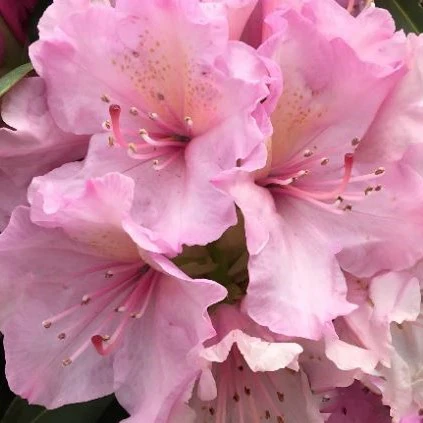
Why Acid-Loving Plants Need Special Care
Most garden soils simply do not offer the right acidity levels for these unique shrubs. Rhododendrons prefer a soil pH falling strictly between 4.5 and 5.5. When the soil pH rises too high, the plants lose their ability to absorb crucial nutrients like iron.
If your soil is too alkaline, your plants will quickly let you know. The most common sign is a condition called chlorosis. You will notice the leaves turning yellow while the veins remain a stark, dark green.
You can fix this issue by adjusting the soil chemistry with the right amendments. Incorporating elemental sulfur or specialized sulfate salts lowers the pH to a safe range. Always perform a quick soil test before making drastic changes to your garden beds.
Signs Your Rhododendrons Need Nutrients
Healthy shrubs feature deep green foliage and abundant flower buds. If your plant looks a bit pale or struggles to produce flowers, it might be hungry. Pay close attention to the visual cues your garden gives you throughout the growing season.
A lack of nitrogen often causes older leaves to turn uniformly pale yellow. Stunted growth or unusually small leaves also indicate a nutrient deficiency. Ignoring these warning signs can lead to weakened plants that easily succumb to winter damage.
Keep an eye out for leaf spots or sudden twig dieback. While sometimes caused by pests, these issues often strike plants stressed by poor nutrition. Feeding your shrubs properly helps them build a natural defense against environmental threats.
The Best Fertilizer for Rhododendrons
Choosing the right product makes all the difference for your acid-loving shrubs. You want a formula designed specifically to lower soil pH while delivering essential macro and micronutrients. Standard garden vegetable fertilizers will not provide the acidic boost these specific plants require.
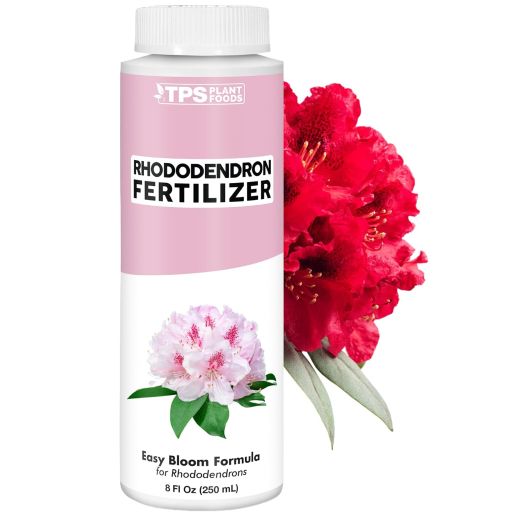
We highly recommend the product found at this link. This specialized formula perfectly matches the nutritional profile Ericaceae plants demand. It delivers a gentle, slow-release feeding that will not burn those sensitive, shallow roots.
Using this specific blend ensures your plants receive the exact ratio of nitrogen, phosphorus, and potassium they need. This leads to stronger root development, thicker foliage, and a much more impressive floral display. You will see a noticeable difference in your garden’s overall health within a single growing season.

How to Feed Your Plants the Right Way
Applying plant food correctly is just as important as choosing the right brand. Since the roots sit very close to the surface, aggressive digging or tilling will cause severe damage. You must apply the product gently and strategically.
- Spread the fertilizer in a wide ring around the drip line of the shrub.
- Never let the product touch the main trunk or stem of the plant.
- Water the area thoroughly immediately after application to help the nutrients sink in.
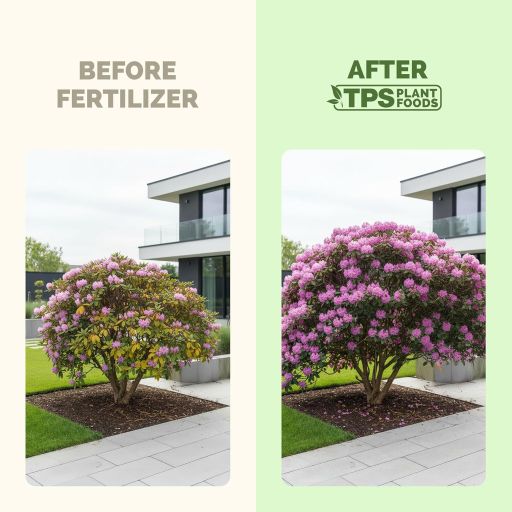
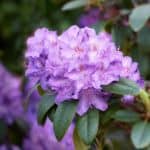
Do not overdo the application rate. More fertilizer does not equal better results, and excessive amounts can easily kill your plants. Always read the packaging instructions and measure the proper dose based on the size of your shrub. If you get it just right, your plants will start to improve like this:
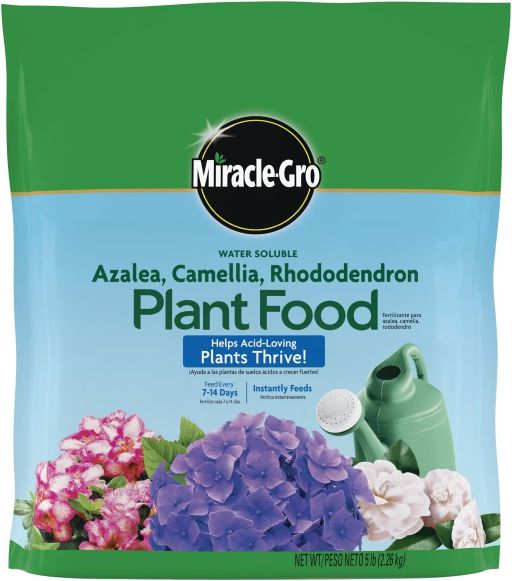
If you’re on a budget Miracle-Gro’s nitrogen fertilizer formula for acid-loving plants is another good option to fertilize rhododendrons:
When to Apply Your Nutrients
Timing your feeding schedule properly ensures your plants absorb the maximum amount of nutrients. The absolute best time to feed is early spring. Wait until you see the flower buds starting to swell and feel sticky to the touch.
You can provide a second, lighter feeding right after the blooming cycle finishes. This helps the plant recover energy and start setting new buds for the following year. Never apply plant food after mid-summer.
Late summer or fall feeding forces the plant to push out new, tender growth. This fresh foliage will not have time to harden off before freezing temperatures arrive. The winter cold will destroy this new growth and severely stress the entire shrub.
Creating the Perfect Environment
Fertilizer works best when the plant lives in a comfortable, stress-free environment. You must choose a planting site that protects your shrubs from harsh elements. The north or east side of a building offers excellent protection from intense afternoon sun and harsh winds.
Avoid planting too close to shallow-rooted trees like maples, willows, or elms. These large trees will aggressively steal moisture and nutrients right out from under your newly planted shrubs. You also want to avoid spots littered with old building debris or concrete, as these materials raise soil pH.
Always apply a generous layer of organic mulch around your plants. Use pine needles, oak leaves, or composted bark to retain soil moisture and regulate root temperatures. Keep the mulch a few inches away from the main trunk to prevent bark rot.
Watering Practices for Optimal Uptake
Even the best plant food cannot work without adequate moisture in the soil. Rhododendrons require consistently moist but never waterlogged soil. Their shallow root systems dry out incredibly fast during hot summer weeks.
- Check the top inch of soil with your finger to see if it feels dry.
- Provide at least one inch of water per week during active growth periods.
- Watch for leaves that slightly twist or curl, indicating immediate thirst.
Give your shrubs a massive, deep soaking right before the first hard freeze of autumn. This prepares the root system for winter and helps prevent leaf desiccation when the ground freezes solid. Proper hydration is a critical partner to a good feeding routine.
Pruning and Maintenance
You rarely need to prune these shrubs for them to thrive and bloom. Most maintenance simply involves removing dead, diseased, or broken branches as you spot them. If you do need to reduce the size of the plant, act right after the blooming phase ends.
Deadheading is a wonderful practice to help your plants conserve energy. This means gently snapping off the old, withered flower trusses once they fade. Removing these old flowers directs the plant’s energy straight into creating next year’s blooms instead of producing seeds.
Be gentle when deadheading so you do not damage the newly forming growth buds sitting right below the old flowers. This simple maintenance task pairs perfectly with your post-bloom feeding routine. Your garden will reward your careful attention with vigorous growth.
Frequently Asked Questions
Can I use regular potting soil for rhododendrons?
Regular potting soil usually lacks the high acidity these plants require. You should use a mix specifically blended for acid-loving plants, often containing peat moss or pine bark. This ensures the correct pH level and provides the necessary drainage for shallow root systems.
How often should I water and fertilize rhododendrons?
Newly planted shrubs need extra water for the first two years until their roots establish. You should water them deeply once or twice a week, providing at least one inch of water total. Always check the soil moisture by hand, ensuring the ground is moist but not muddy. In fertile soils they may not need fertilizer initially, but in poor soils or containers they can benefit from a slow-release acid-loving plant food applied once in the spring.

Do rhododendrons require pruning?
Rhododendrons require minimal pruning, but it is recommended to remove any dead or damaged branches. To maintain shape and encourage fullness, light pruning after flowering can also be done. You should avoid heavy pruning as it can reduce flower production in the following year.
Why are my rhododendron leaves turning yellow?
Yellow leaves with distinct green veins usually point to iron chlorosis caused by high soil pH. The plant cannot access the iron present in the soil when conditions become too alkaline. Applying elemental sulfur or an acidic plant food helps correct this specific nutritional issue.
Is it safe to fertilize acid-loving shrubs in the fall?
You should never apply nitrogen-rich plant food to these shrubs in the fall. Late feeding encourages sudden bursts of tender new growth that cannot survive harsh winter freezes. Stop all feeding routines by mid-summer to let the plant naturally prepare for dormancy.
Do I need to remove the mulch during winter?
You should keep a thick layer of organic mulch around the base of the plant all year long. Mulch protects the shallow roots from extreme temperature fluctuations and helps retain vital moisture during dry winter days. Just ensure the mulch stays a few inches away from the actual trunk.
Keep Your Garden Growing Strong
Caring for acid-loving shrubs becomes incredibly easy once you understand their specific soil and nutritional needs. Providing the correct acidic environment and a specialized diet ensures massive spring blooms and deeply colored evergreen foliage. We hope this gardening guide helps you create the spectacular, healthy landscape you have always wanted. Our site is dedicated to helping you grow your green thumb and providing the necessary resources to make it happen.
For more expert gardening tips, seasonal advice, and deep dives into plant care, keep reading the Fertilizer for Less blog. Happy gardening!