
How to Repair Your Grass After It Has Been Burnt by Fertilizer
Excessive or careless fertilizing can do such a significant harm to your lawn to the extent of totally killing it over a large area. So, it’s a must that you take care to fertilize your lawn responsibly if you want to keep its health and beauty.
What is Fertilizer Burn in a Grass Lawn?
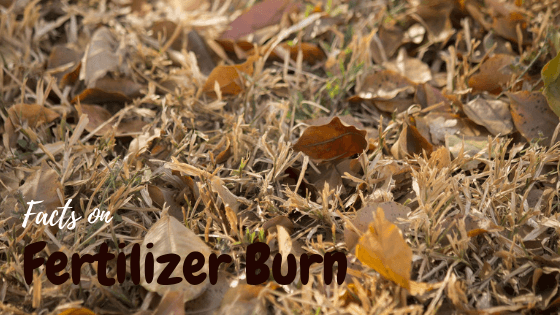
Mineral salts are what make up chemical fertilizer nutrients. These salts build up in the soil when you over fertilize and causes the grass to turn yellow or brown which is usually called fertilizer burn.
Though fertilizer burn isn’t always fatal, it would be quite hard to predict if your lawn can recover as it would depend on the amount and type of fertilizer applied, the moisture available, the overall health of your lawn and most importantly on how quickly you address the situation. In general, a slightly yellow lawn is likely to recover while a crispy brown grass may not.
Are Dead Patches in your Lawn Fertilizer Burn or Something Else?
If you just have a few seemingly random patches of dead grass, the problem might actually be something else entirely. Turfgrass like Zoysia and Bermuda become susceptible to many pests and diseases when it’s not receiving the proper amount of nutrients. In this case, the issue is probably not fertilizer burn but rather a different underlying problem that needs to be addressed. If you notice a lot of brown patches in your yard, a soil test might be in order. There might be a treatment that you can apply to fix the underlying issue in the soil and get your lawn back on track.
How to Prevent Fertilizer Burn in Lawns
To prevent fertilizer burn, it’s crucial to select the right type of fertilizer and apply it correctly. Always take the time to read the product label carefully, paying close attention to the recommended application rates and methods. Using more fertilizer than suggested won’t make your lawn greener faster; it will only increase the risk of damage. Opting for a high-quality, slow-release granular fertilizer is an excellent preventative measure. This type of fertilizer is designed to break down gradually, releasing nutrients into the soil over an extended period. This steady supply prevents the sudden, excessive concentration of salts that causes burn.
Another essential tip is to water your lawn thoroughly both before and after applying the fertilizer. Watering beforehand ensures the soil is moist, which helps the fertilizer begin to dissolve and absorb more evenly. Watering again immediately after application is just as important. This second watering washes any fertilizer granules off the grass blades and down into the soil, where the roots can access the nutrients. It also helps to further distribute the fertilizer, preventing it from accumulating in one spot for too long and significantly reducing the risk of burning your grass.

How to Treat Fertilizer Burn?
Below are some actions you could do if you accidentally applied too much fertilizer on your lawn.
- Remove fertilizer. If you used granular fertilizer and it’s visible, pick up a wet or dry vacuum and recover as much fertilizer as you can before it dissolves into the soil. Just always be sure to wear appropriate footwear as some of the chemical fertilizers can be toxic to your bare skin.
- Apply water. Turn on your sprinklers as soon as you notice fertilizer burn. Water will do a great job to dilute and flush the minerals salts away from your lawn’s roots. On the first day, water your lawn until the soil can’t soak in anymore. Do it every day for about a week. Doing it in the morning can help reduce the risk of fungal diseases.
- Observe. After doing the above steps, there’s nothing much you can do but to wait and see if your lawn will recover from fertilizer burn (hopefully it will). But in case where it didn’t, you’ll have no other choice but to replant new grass to replace the dead blades. If there’s plenty of planting time left, like if it’s early spring, then you can go ahead and replant. Either overseed thin spots and sow seed or sod in large dead areas.
How to Prevent Fertilizer Burn in the Future?
Consider the below items to avoid fertilizer burn on your lawn:
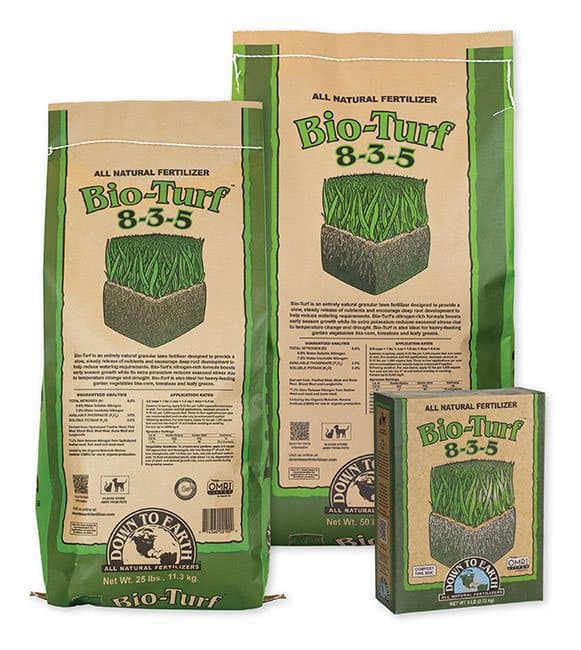
- Use organic fertilizer. Organic fertilizer like the product pictured above and well-composted amendments are broken down by soil microbes according to nature’s timeline. This significantly reduces the risk of fertilizer burn.
- Read, understand and follow fertilizer instructions. It’s a must that you apply the fertilizer exactly as described on the package instructions. Different fertilizers have different strengths, so it’s important that you follow instructions to ensure you won’t over apply them to your lawn.
- Reduce lawn stress: A lawn in poor condition should be fertilized very lightly to help it recover and regain its health. Fertilizing heavily can do more harm than good to your lawn because weak grass is easily burned by chemical fertilizers. It’s also important to note that lawns that are suffering from severe stress due to drought, heat or disease shouldn’t be fertilized because it won’t be absorbed and will only cause further damage.
Fertilizer burn, a common issue for many gardeners, is a condition that can be entirely avoided with the right knowledge and a cautious approach. By understanding the proper application techniques, dilution rates, and the specific needs of your plants, you can prevent damage to their roots and foliage. So, arm yourself with this pertinent information, read the instructions on your fertilizer products, and always apply them carefully to keep your plants healthy and thriving.
Now Relax and Watch it all Grow Back!
Keep your soil well drained, provide fertilizer and ensure proper watering. Grass recovery is that simple. Ready to fertilize your lawn? Shop for appropriate products at Fertilizers for LESS Now!