
If you’re a scientist or a time-traveling Roman centurion who speaks Latin you might refer to it as Eremochloa ophiuroides. However, the common name most of us use is simply centipede grass and it’s a well-know variety occupying many lawns, parks, and schoolyards around the Southeastern United States.
With its exceptional tolerance to extreme heat, centipede grass is the perfect variety for the blistering summers commonly experienced in southern states like Alabama, Mississippi, and across the Southeast. Known for its slow growth and dense coverage, it effectively crowds out weeds once established. As long as your soil is not excessively alkaline and drains well, centipede grass is extremely low-maintenance, requiring less mowing and fertilization than many other turfgrasses. This combination of heat resistance and minimal upkeep makes it a landscaper’s favorite go-to in these specific climates.
When Should You Fertilize Centipede Grass?
Centipede grass is a warm-season variety, meaning it experiences its most vigorous growth during the late spring and summer months when temperatures are consistently high. The ideal time to apply fertilizer hinges on your specific climate zone, but a reliable rule of thumb is to wait until the weather has warmed up significantly, but before the peak of summer heat arrives. Aim for a period when the daily high temperature is consistently below 85 degrees Fahrenheit.
Applying fertilizer too early in the spring can be detrimental, as it might encourage weak, premature growth that is susceptible to a late frost. It’s also critical to avoid using any fertilizer product that contains broadleaf herbicides on new, tender grass shoots, as this can damage or kill the lawn. It is best to delay any weed treatments until after your centipede grass has had several weeks of warm weather to green up and mature. Before you begin, always ensure there is absolutely no remaining danger of a late frost. If you have any doubts about the perfect timing for your region, it’s always a wise decision to consult your local extension office or agricultural co-op for expert advice.
Probably the most important step is buying the right fertilizer for centipede grass. Phosphorus is a big no-no! You’ll burn your lawn to death if you just go to the local hardware store and pickup the wrong product. Of course, natural and organic is always the best choice and it’s practically impossible to burn your lawn with those products.
If you do choose to go the chemical route these are the numbers you want to choose from:
- 10-0-10
- 15-0-15
- 18-0-18

Anything above a ZERO in that middle number is probably not a wise choice for centipede grass. Fertilization rates are low compared to other grasses and you only need about one pound of fertilizer per 1000 square foot each year. I’d suggest splitting that into two applications or more to avoid burning. While you’re doing so it might be a good time to tear up a small piece of turn and check for white grubs that may be damaging your lawn. You can use a natural product like milky spore to control these pests without resorting to harsh chemicals.
Identifying The Growth Patterns of your Centipedegrass
This warm season grass is most active in late Springtime when the soil temperature reaches 70 degrees Fahrenheit. It thrives in hot and humid climates and is known for its low maintenance requirements. Centipede grass will go completely dormant in the winter months, turning a pale brown color, but will come back strong in the spring. It has a slow growth rate and is best suited for areas with less foot traffic.
Common Pests to Watch Out for With Centipede Grass Lawns
Pests like white grubs, chinch bugs, and armyworms can all cause damage to your centipede grass lawn. These pests feed on the roots and leaves of the grass, causing it to thin out and turn brown in patches. It is important to check for signs of these pests regularly so that you can take action before a full infestation occurs.
Identifying White Grubs
White grubs are small white larvae that feed on the roots of the grass. They can often be found curled up in a C shape just below the surface of the soil. These pests are most active in late summer and early fall when they are at their largest size. You may notice an increase in birds pecking at your lawn or holes dug by animals as they search for these grubs. Another sign of white grub infestation is wilting or yellowing grass, which can be easily pulled up from the soil due to the lack of root support.
Controlling White Grubs
One method of controlling white grubs is to use a natural insecticide made from beneficial nematodes. These microscopic worms are harmless to humans and pets but will attack and kill the grubs in your lawn. They can be applied with a sprayer or spreader during warm, moist weather when the grubs are actively feeding. Another option is to use chemical pesticides specifically designed for white grub control. It is important to carefully follow the instructions on these products and take proper safety precautions when handling them.
Chinch Bugs
Chinch bugs are another common lawn pest that can cause significant damage if left untreated. These tiny insects feed on grass by sucking out the juices, causing yellow or brown patches to appear in your lawn. They tend to thrive in hot and dry weather, so keeping your lawn well-watered can help prevent infestations.
To control chinch bugs, you can use a combination of methods such as removing thatch buildup, regularly mowing your lawn to keep it at a healthy length, and using natural predators like ladybugs and lacewings. If chemical intervention is necessary, there are insecticides available specifically for chinch bug control. Again, be sure to carefully follow the instructions and take proper safety precautions when using these products.
Preventative Measures
Aside from regular watering and mowing, there are other steps you can take to prevent chinch bugs from infesting your lawn. One effective method is to overseed with a resistant variety of grass. Chinch bugs tend to prefer certain types of turfgrass, so incorporating a more resilient variety into your lawn can make it less appealing to them.
Another preventative measure for centipedegrass health is to maintain proper soil health through fertilization and aeration. A healthy lawn with strong roots is better able to withstand the damage caused by chinch bugs. Additionally, avoiding excessive nitrogen fertilizer can also help as chinch bugs are attracted to fast-growing, lush lawns.
Proper Aeration of Centipede Grass
Aerate your lawn in early spring or fall to reduce compaction and promote healthy root growth. Soil compaction can create an environment that is favorable for chinch bugs, as it restricts water and nutrient absorption by the roots.
Use a core aerator to remove small plugs of soil from your lawn, allowing air, water, and nutrients to reach the roots more easily. This also helps break up any thick layers of thatch (accumulated dead grass) which can harbor chinch bugs.
The Best Fertilizer for Your Application
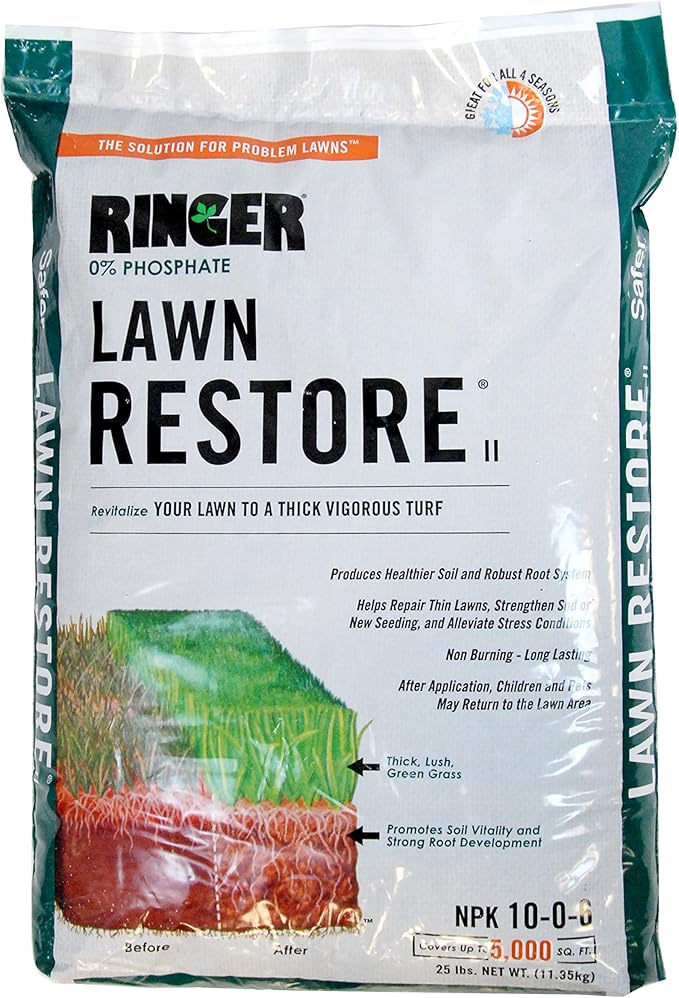
Overall, centipede grass is very well adapted to hot weather and it can even tolerate partial shade. If you avoid excess phosphorus and fertilize later in the spring it should grow well, even if you choose to rely on chemical fertilizers. An ideal organic choice for centipede grass can be purchased on Amazon here: https://www.amazon.com/Safer-Brand-Ringer-Restore-Fertilizer/dp/B00GBVCJ1U