

Many people don’t think about bumpy lawns until they get one. Lumps, bumps, holes, and dips will show up on every lawn sooner or later. They happen for many different reasons throughout the year. Finding the right long-term-fix depends on the cause of the bump.

The Many Possible Causes for a Bumpy Lawn
A beautiful, lush lawn can become bumpy and uneven over the years for a variety of reasons. Common culprits include aggressive weeds that disrupt the turf’s surface and the natural activity of earthworms, whose castings create small mounds across the grass. Even regular use, such as footprints or the weight of lawn equipment, can compact the soil unevenly. Additionally, lawns with hard-packed clay soils are particularly susceptible; during the freezing cold winter months, the moisture in the clay can expand and contract, leading to a lumpy, uneven surface come spring.
Excessive watering can also lead to a bumpy lawn. When water isn’t absorbed properly, it can pool in one spot. As this water evaporates, it can displace the soil and grass, causing uneven topography over time. Similarly, in climates with lots of rainfall, grass can grow too quickly for its root system to fully establish itself in the ground below. This rapid, shallow growth can mask underlying inconsistencies in the soil, leading to hidden pits and soft spots. These depressions in the ground are not only unsightly but also create significant tripping hazards, making it easy for someone to fall and injure themselves. That’s why it’s very important to maintain a level and stable landscape around your home.
Though your bumpy lawn can still look pretty decent from afar, walking on it can be uncomfortable, or even dangerous if you trip and fall. If you and your family enjoy a lot of outdoor recreational activities, it may be a good idea to work on adding a top dressing of sand to level out your uneven law. Here’s how:
How do you smooth out a bumpy lawn?
You can use sand or topsoil, whatever you have and whatever is the most economical. When you start filling holes in your yard, you’ll quickly realize just how many problem spots there are to address. You may need several bags of topdressing or an entire truckload to deal with all the dips and ruts in your lawn.Contact a local nursery in your area and see if they deliver. You’ll need a lot of soil or sand for leveling an entire yard.
Read on and learn a few things that you can do to fix your bumpy lawn – Make it lusher and fuller again.
- Set your lawn mower to a low setting. Through this, the grass you cut will be extremely short and finding problematic areas will be easier.
- Remove thatch on your lawn with a garden rake. Thatch is a layer of living and dead plant matter directly on top of the soil and is typically composed of plant roots and stems. It may look like a dead grass and tends to block the soil from receiving air and water. So it is important to have it removed to ensure that your lawn is getting enough water and nutrients.
- With the use of a shovel, apply scoops of fresh topsoil or sand to low areas of your lawn. The dirt should be no more than ½ inch thick to ensure the existing grass can grow through it as if it’s too deep, it will kill the existing grass. Slightly spread the dirt with a rake if it gets too deep. Repeat applications until you build up the area to be level with surrounding turf.
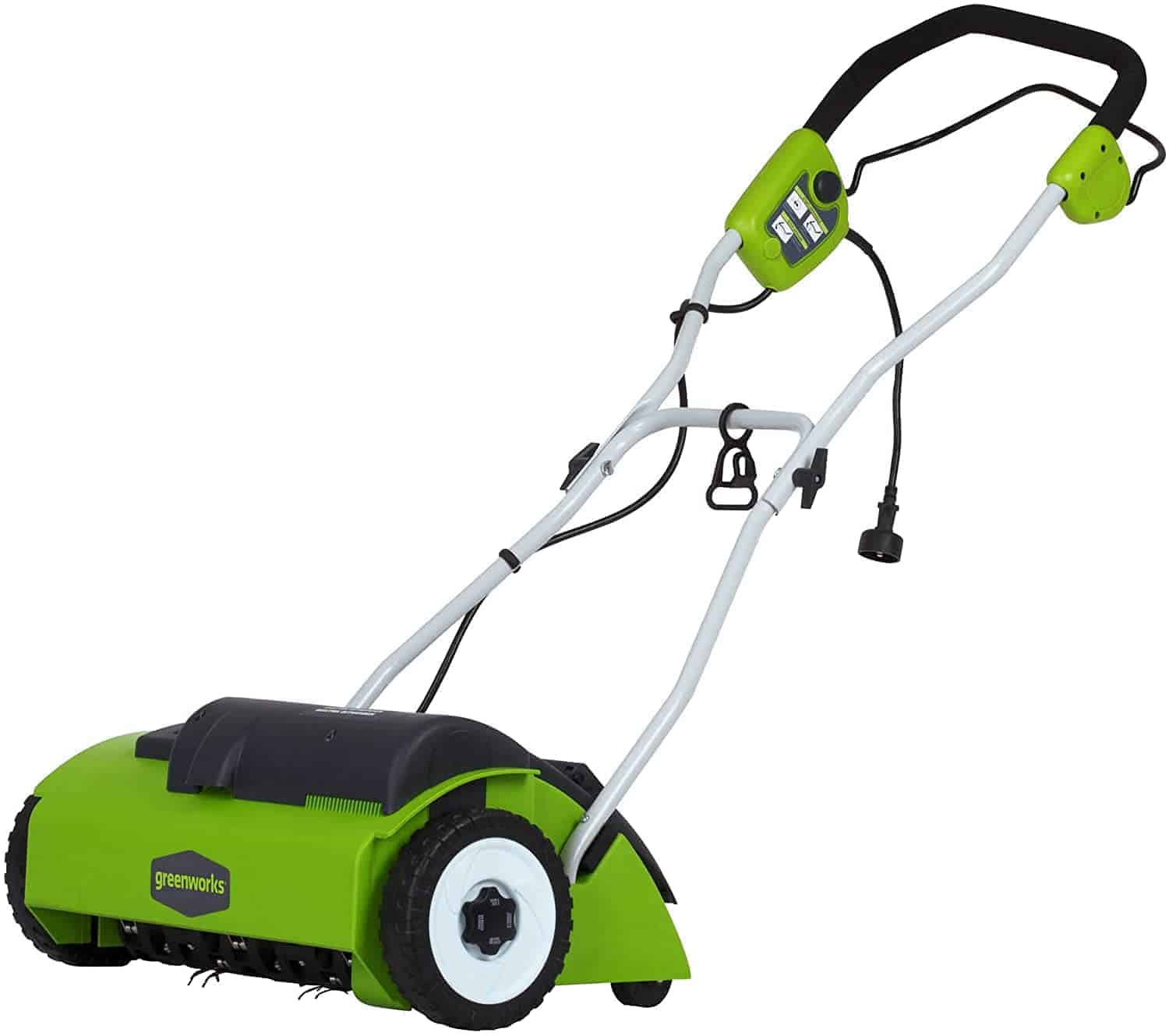
- Use a core aerator over the lawn. Use a pattern similar to mowing and repeat the process in another direction.
- You will have to repeat the soil application process in the following year. And then you can expect your lawn to even out over time.
Overall, ensuring that your lawn is level is essential for its health and appearance. With these simple steps, you can easily fix any uneven areas in your lawn and promote healthy growth.

Common Causes of a Bumpy Lawn
Before you go and blame your kid’s 4-wheeler or the neighbor’s dog, take a look at the rainfall patterns in the area to make sure there’s not a problem with too much water runoff.
Most bumpy lawns are caused by a combination of factors including:
- Uneven irrigation or rainfall patterns,
- Overfeeding your lawn with nutrients, and
- Poor soil drainage.
For bumpy areas that have been over-watered for too long, you can do the following to help level it: Fill in low areas with topsoil or sand. If the excess water is cause by your home’s gutters or overflow from the roof, consider adding downspouts and an appropriate drain to control erosion caused by runoff.
How do you level a bumpy lawn?
Simply use a garden rake to break up raised areas and then level them out…
If you’ve followed the steps above any shallow ares in your lawn should be filled in within a few seasons. For raised spots on your lawn, a different approach is required. Use a garden rake to break up raised areas and level them out to the surrounding yard.
The best way to smooth out bumpy lawns is a combination of aerating and soil leveling. The more time passes, the less noticeable bumps will be in your lawn; as long as you address the root problems and continue to maintain your lawn.
Lastly, it would be important for your lawn to get enough balanced nutrients by using an appropriate fertilizer. For more details on what fertilizers to use, check out Fertilizers for LESS and shop around for good quality fertilizers at affordable prices!