
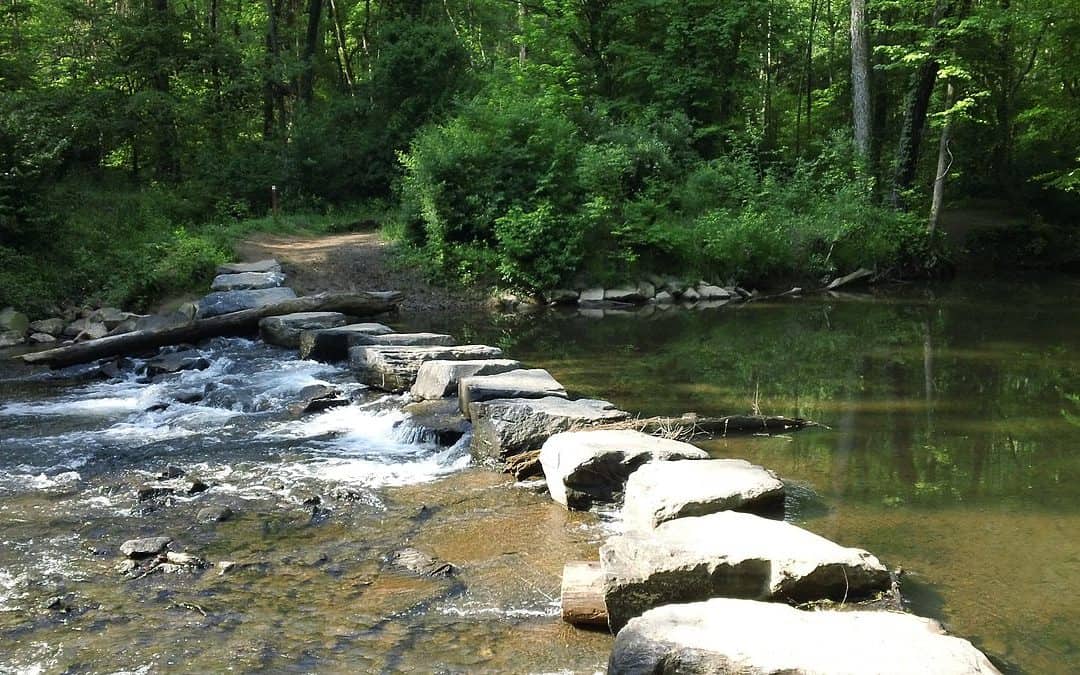
Perhaps you are not fortunate enough to have a natural stream running through your garden. Fret not! You can turn almost any ditch or depression in your yard into a beautiful water feature that perfectly mimics a natural stream.
All it takes is a clear vision, a bit of planning, and the drive to turn that dream into a reality. Whether you want to enhance an existing water flow or build a completely new feature from scratch, this guide will walk you through the core tasks of creating a stunning garden stream.
Enhancing Natural Garden Streams
Water is, of course, the major component of any natural stream. If you already have a natural ditch that flows freely during the winter and spring, your primary goal is to manage that flow year-round.
Because these features are often seasonal, careful handling is paramount when engineering your planting and landscaping. You want to ensure the area looks vibrant and intentional, even during dry summer weather.
Ideally, the goal is to create a stream that remains visually appealing throughout the year. Adding decorative touches like a shingle bed or natural water stones can significantly enhance the presentation of your waterside plants. You might even consider adding aquatic species directly into the stream to create a thriving micro-ecosystem.
Important Legal and Environmental Considerations
If you have a natural stream in your garden, bear in mind that you likely share ownership with the points where the stream enters and exits your yard.
Always keep this in mind before altering the stream’s flow, as your changes can impact areas upstream and downstream. We strongly recommend consulting with your neighbors and local river authorities to ensure everyone is on board with your plans. These measures are especially essential if you plan to install a pond or backwater off the stream, even if you believe it won’t drastically alter the overall flow rate.
Designing the Perfect Artificial Stream
If nature did not bless your yard with a stream, you can simply create one yourself. You can use many of the exact same methods required for constructing a backyard pond or pool.
Unlike a natural stream, an artificial one gives you complete autonomy over the water, which you achieve by installing a high-quality water recirculation feature. While you control where the stream starts and ends, what truly matters is the layout. A pristine imitation of naturally flowing water requires plotting a meticulous route that integrates seamlessly with your garden’s existing landscape.
With an artificial stream, you dictate the exact direction of the water flow. This allows you to intentionally carve out various planting niches along the banks. The catalyst for your stream can even be an outdoor fountain. By managing the water levels effectively, an artificial stream presents a bounty of possibilities for supporting various aquatic plant species.
How to Build a Lined Stream
A lined stream presents a flexible, highly effective construction method. It allows for accurate excavation, giving you the power to disguise or expose the edges depending on your desired visual effect.
Adding natural rocks along the edges and variously sized pebbles across the bed will give your stream a meticulous, professional presentation. However, to maintain a natural flow, the fall of the stream should sit at an angle of no more than 30 degrees. You can achieve this same effect using pre-formed units if you prefer a more rigid structure.
When working with liner water stream features, you must remove any sharp objects from the soil that could puncture the material. Once the area is clear, pour and spread builder’s sand along the bed and up the sides. We also highly recommend adding a fleece underlay for extra protection, as it is relatively inexpensive and completely uncomplicated to install.
Managing Liner Sheets
For short streams, obtaining a single continuous length of liner is easy. However, if your design includes complex variations in arcs, curves, and elevation changes, you will need several separate sheets to achieve the best results.
Lay these sheets starting from the bottom pool, working your way up toward the source of the stream. Ensure you leave generous overlaps. If possible, arrange the sheets to create a few shallow drops. This keeps the downstream section of each liner slightly above the resting water level, preventing unwanted leaks.
Secure the edges of the liner with heavy soil and rocks, ensuring the liner consistently remains higher than the maximum water level. This critical step prevents water from seeping into the surrounding ground. Hessian bags or sandbags filled with soil work exceptionally well for edging. You can easily grow waterside plants directly on these bags; over time, the plants will colonize the fabric, creating a beautiful, natural-looking boggy edge.
3 Essential Steps for a Liner Stream
A linear stream provides an incredible array of creative design opportunities. You can achieve vastly different visual effects simply by modifying the flow of water and playing around with the placement of rocks, stone, and soil.
Keep these three core steps in mind when building your liner stream:
- Excavate and Prep: Dig out the ground to achieve your desired size and line. Carefully remove any sharp objects that could puncture your materials and spread a smooth layer of builder’s sand across the bed.
- Lay the Liner: Carefully position the liner, ensuring ample overlap at all edges and curves. Smooth out any major wrinkles while intentionally creating necessary folds to accommodate the stream’s shape.
- Secure the Edges: Use durable bags of soil to build up and accentuate the edges of the stream, effectively preventing overflow. Finally, plant trailing vegetation to naturally link the stream’s banks with the surrounding landscape.