Gardening 101 for Newbies
We have seen all kinds of gardens in homes. It doesn’t matter if the garden is from a home sitting on an acre of land or inside a small designated area of an apartment; gardens thrive wherever someone cares to sustain them. Many non-gardeners feel insecure in giving it a shot. What if the plants die too soon and money is wasted? Well, it doesn’t take much to get your hands in the dirt! First, begin with understanding that gardening can generate good vibrations in your life.
Gardening Creates Positive Vibes
Gardening can bring joy and stress relief to someone who truly gives the process their attention. Whatever you are growing – flowers or produce – watching seeds hidden in soil sprout into a beautiful yield is very rewarding. Gardeners can take pride in knowing their hard work and dedication catered to a thriving creation that grew for admiration or providing substance. In a way, gardening can be very sacred. Are you interested in feeling what it is like? Let’s learn gardening 101 so you can get started!
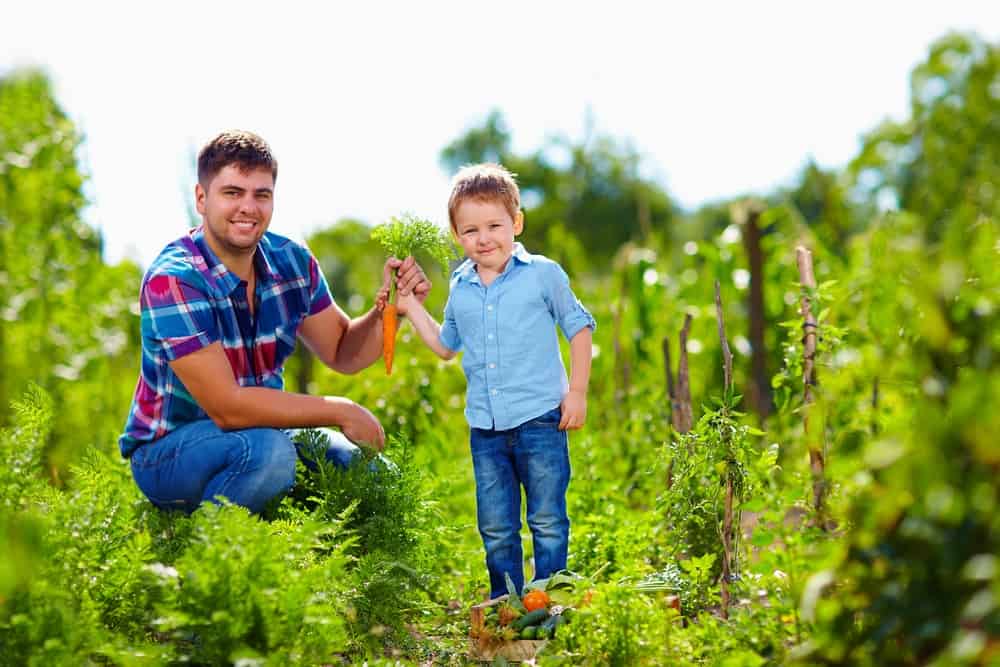
All you need to do is get started. Don’t worry beginners, even if you never touched a gardening tool before, you can have your garden flourishing in no time!
Any Beginner Can Start Gardening
Everyone trying something new can use a little “how to” instructional advice. Are you ready? Here are some excellent beginner tips to becoming a successful gardener!
- Space: It determines how much and what you can grow. Keep in mind, the bigger the garden, the more work required. Take time researching what you want to grow, how much you want to produce, the space you have available and the energy you can give.
- Vertical growth: For certain plants or to maximize space, you may have to learn trellising. Have you ever seen plants growing up on poles, fences, or other forms of vertical support? That’s trellising and depending on your garden, it can be very useful!
- Transportation: If you are transporting plants form a local nursery, have your car prepared for the task. Lay tarp down in the back with a ladder on top of it. The tarp will contain an accidental spilled mess and the slots in the rungs of the ladder will effectively hold your plants in a secured position.
- Crop rotation: Vegetable plants need to be rotated once every three years. Failing to do so can drain all the same nutrients out of a soil and require new soil all together.
- Research: Visit your local library or buy books to help you along the way. It will be useful to reference step-by-step guidance and materials that can keep you on track.
- Control root growth: Some plants are aggressive and will take over a garden if left uncontrolled. Separate these plants in pots and cut the bottom of the pot off before putting it in the soil. That way, their roots will grow down in the ground and not everywhere.
- Easy start: Start with easy plants. They will help get your green thumb wet in the business of gardening. Picking difficult or more sensitive plants can be an easy setup for failure and discourage you from trying again.
- Mark your calendar: Make a calendar recording what you have done and planning what you need to do.
When you write down helpful steps to follow, it’s time to get the proper tools!
Start Off With the Right Tools
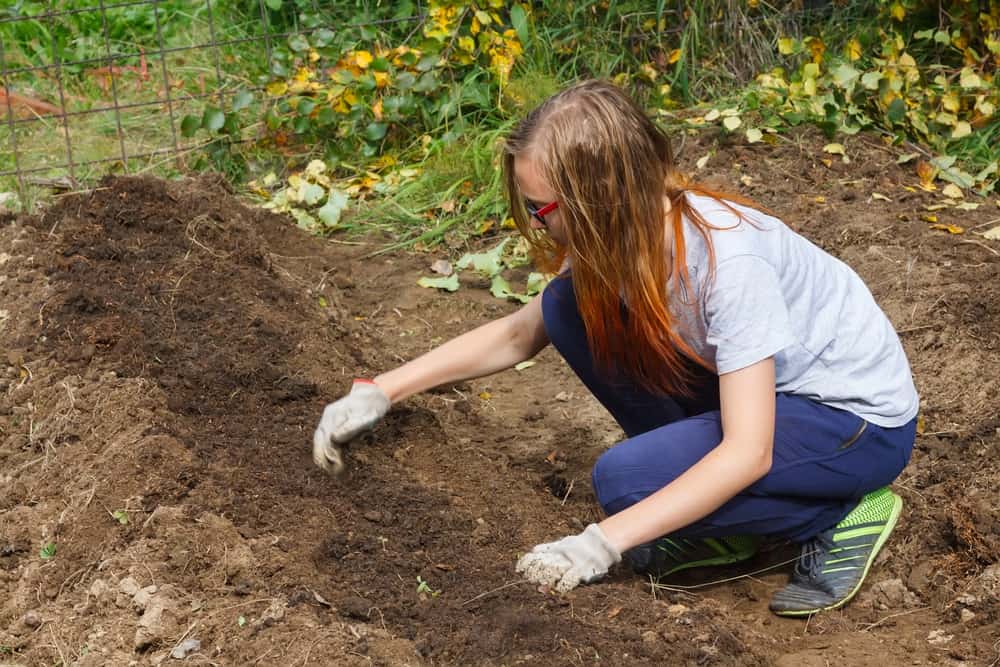
Gardening means getting your hands in the dirt, pulling out weeds, and making a little bit of a mess. But it’s all worth it when you see your plants grow and thrive. To make the most of your gardening experience, you’ll need the right tools.
- Gloves
- Spades
- Dutch hoe
- Hori Hori knife
- Hand trowel
- Wheelbarrow
- Garden hose
- Rake
- Loppers
- Pots
- Shears
- Pruners
- Forks
One important trick to making sure you have the right tools is understanding where you are going to be gardening. In a big field? A little back yard patch? Just a pot to fit in a kitchen window? The good news is you can garden pretty much everywhere!
Even in small apartment space, you can grow a garden. It all depends on what you want. If you are looking to yield a lot of fruit and vegetables; it may be better to go to the backyard. You are not limited there. However, in smaller spaces, you might feel like there isn’t much you can do. The thing is, there is a lot you can do! You just have to know how to effectively use the space available. Here are some tips for gardening in smaller spaces:
1. Vertically plant
2. Creatively use salvaged shutters
3. Use a city roof if you can
4. Set the patio up
5. Create a focal planting point in every room
What to Watch Out for in Beginner Gardening
When you garden, it is important to know that there are potential threats, and you need to be on the lookout for them.
1. Climate change – drought, flooding, erosion, lack of sunlight, cold temperatures, etc.
2. Bugs and pests
3. Chemicals from water run off or pesticides
4. Wildlife like rodents and birds
5. Destructive weeds
6. Diminished nutrients in the soil
When you get a good grasp on everything, you are ready to go!
Grow from Beginner to Expert
Starting a garden can be a challenging endeavor, but the rewards are immeasurable. To set yourself on the right path to a flourishing oasis, it’s essential to follow helpful tips from the outset. This includes understanding your climate, choosing the right plants, and preparing your soil properly. Having the proper tools, such as a sturdy trowel, gardening gloves, and a reliable watering can, will greatly support your success.
Don’t feel limited if you only have a small balcony or patio; container gardening and vertical planters make it possible to grow in any space. With your tools and knowledge in hand, all that’s left is giving it your best effort and consistently monitoring your plants for possible hazards like pests or diseases. Before you know it, you will be smelling the sweet fragrance of beautiful flowers or harvesting your own delicious, home-grown foods