Not everyone lives in a home with a huge back yard. Many people don’t have a garden at all, let alone a massive one. For those who are fortunate enough to have an outdoor space but aren’t so lucky as to live somewhere with acres of land, it can be difficult to figure out how best to make use of a small outdoor space. With larger back yards, you can experiment with different landscaping, water features, planting sections – the list is almost endless. However, just because your garden is small doesn’t mean it can’t be a source of great joy and pleasure. Take a look at these tips to help make the most out of your small garden.
Give it a Purpose
While larger back yards can afford to give space to a vegetable patch, a play area, a lawn and a pond all in one, smaller gardens don’t have the luxury of excess room. This is why it can be useful to decide upon one or two purposes and make your garden excel at those, rather than try to squeeze too much into such a tiny area. If you have young children, for example, you might want to dedicate the space to outdoor play and forego the dangers of a water feature. If you see your garden as a sanctuary from the busy world, turn it into a peaceful paradise with mood lighting and comfortable furniture.
Keep it Clean and Neat
With a smaller space, whether it’s outdoors or indoors, keeping it tidy is especially important. Smaller spaces are more susceptible to appearing cluttered or unclean since they don’t have the luxury of distance between objects. Just as you would keep your home clean, it’s also necessary to maintain a healthy garden. Pests can threaten your plants and even venture into your home if they aren’t caught in time. Keep your plants trimmed and free of debris, and regularly check for any signs of infestations.
Use All Your Vertical Space Efficiently
When working with a small garden, it’s important to make use of all available space. One way to do this is by utilizing vertical space. This can include hanging planters or trellises for climbing plants. Consider using shelves or wall-mounted planters to add greenery without taking up much floor space. You can also create a vertical herb garden for easy access to fresh herbs in a compact area.
Choose the Right Plants For Your Space
In a small garden, every plant counts. Be mindful of the size and growth habits of the plants you choose. Opt for dwarf varieties or ones that are known to stay compact. This will not only save space, but also prevent overcrowding and competition for resources. Additionally, consider choosing plants that can serve multiple purposes, such as a rose bush that provides beauty and edible rose hips.
Use Containers to Your Advantage
Containers are a great way to add greenery to a small garden without taking up much space. You can choose from a variety of sizes and shapes to fit your specific needs. Utilize hanging baskets or wall-mounted containers for trailing or climbing plants. For herbs or vegetables, try using vertical tower planters or compact raised beds. Just make sure to choose the right size container for the plant’s roots and provide proper drainage.
Try Out Companion Planting
Companion planting is a gardening technique where different plants are grown close to each other for their mutual benefit. This strategic pairing can enhance growth, repel pests, and improve the overall health of your garden.
For example, planting aromatic herbs like basil or garlic alongside vegetable plants, such as tomatoes, can help deter common pests like aphids and hornworms, while also potentially improving the flavor of the vegetables. Another effective strategy is to plant flowers that attract pollinators, such as bees and butterflies. Placing plants like lavender or marigolds near your fruit trees or berry bushes can significantly improve pollination rates, leading to a more abundant and successful harvest. By understanding these plant relationships, you can create a more resilient and productive garden ecosystem.
Go Organic!
Using organic fertilizers offers a dual benefit: it nourishes your plants while also protecting the environment. Unlike synthetic options, organic fertilizers reduce the risk of chemical runoff polluting our rivers, lakes, and groundwater. To enrich your garden naturally, look for options like compost, well-aged manure, or seaweed extracts. These alternatives provide a slow release of essential nutrients such as nitrogen, phosphorus, and potassium without introducing harmful synthetic chemicals. Furthermore, incorporating compost directly into your soil is a fantastic way to improve its long-term health, aeration, and water retention, creating a thriving ecosystem for your plants.
Don’t Forget About Mulch
Mulching is a simple yet highly effective gardening technique that offers numerous benefits for your plants and soil. By applying a layer of material to the surface of your garden beds, you can significantly reduce weed growth, which prevents competition for essential resources. Mulching also plays a crucial role in moisture retention, keeping the soil cooler and reducing water evaporation, which means you’ll need to water less frequently.
When you use organic mulches like bark chips, straw, or even grass clippings, you’re not just covering the soil; you’re actively improving it. As these materials decompose over time, they release valuable nutrients back into the earth, enriching the soil structure and fertility. However, it’s important to be mindful of your mulch source. Always avoid using materials that may have been treated with chemical pesticides or herbicides, as these can leach into your soil and harm your plants.
Water Wisely
Proper watering is key in maintaining healthy plants and maximizing fruit production. Instead of frequent, light waterings, aim for deep soakings 2-3 times per week. This allows the water to reach deeper into the soil and encourages strong root growth. Additionally, consider investing in a rain barrel to collect rainwater for your garden – not only is it eco-friendly, but it can save you money on your water bill.
Choose Native Plants
When deciding what fruits to grow in your garden, consider choosing varieties that are native to your region. Native plants are typically well-adapted to the local climate and soil conditions, making them easier to maintain and more likely to thrive. Plus, they provide important food sources for native wildlife such as bees and birds.
Prune Regularly
Proper pruning is essential for promoting healthy growth and fruit production in your fruit trees. Make sure to remove any dead or diseased branches, as well as crossing branches that may rub against each other. This will not only improve air circulation within the tree, but also prevent potential disease or pest issues.
Use Clever Space-Saving Solutions
If you want to pack as much into your small back yard as possible, try using a few space-saving tricks. Use weather-proof shelves to plant small stacks of flowers or find multi-purpose furniture that you can easily stow away when not in use.
Fill it with Plants
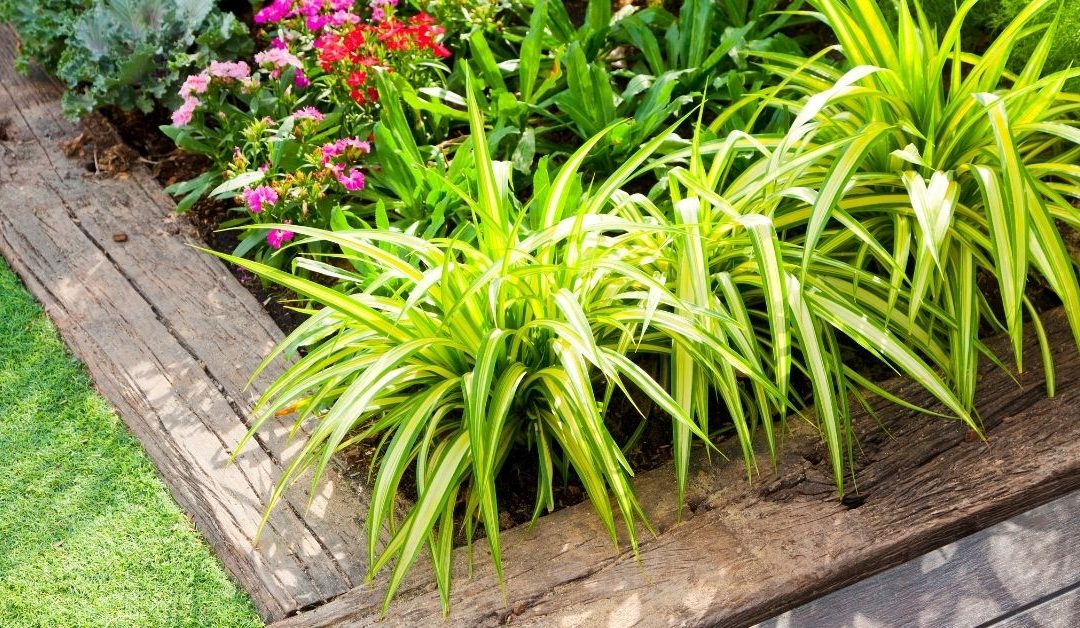
If you can’t decide on a purpose for your yard, you can’t go wrong with filling it to the brim with greenery. Learn which types of plants are most likely to thrive in the specific environment of your garden and take into account temperature ranges, humidity and soil quality before choosing what to plant. Perhaps you would prefer to grow your own vegetables or spices. Different flowers can attract interesting insect life to your garden. Once you have a better idea of what you are able to sustain in your home climate, you can decide more specifically what you would like to grow.