

Whether you’re raising a clutch of chickens in your back yard or hundreds of animals on a farmstead, it’s important to raise them right. This is the case from a business point of view: healthier animals tend to sell better – but also from an animal welfare point of view, seeing as a healthier animal is always going to be a happier animal. In this short guide, it will take you through the three key tips you’ll need to focus on to raise healthy and happy animals from your home or farm.
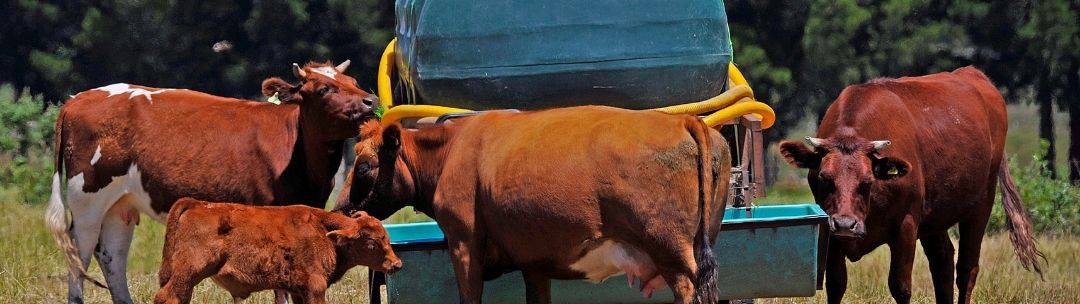
Food for Livestock Health
The single most crucial factor for ensuring the health, vitality, and productivity of your animals is the quality of the feed you provide. Every meal consumed by your livestock—whether they are chickens, pigs, or cows—is a direct investment in their well-being. The nutrients they ingest are the fundamental building blocks for growth, development, and a robust immune system. This, in turn, helps them become stronger, healthier, and ultimately more valuable animals, whether for breeding, produce, or meat. Consequently, feed is not an area where you should be looking to cut corners or scrimp. In fact, it is the very place where strategic spending can yield the greatest returns, producing healthier, more resilient, and more valuable livestock for your farm or operation.
One of the ways to produce excellent feed is to enrich your animals’ normal meals with additional nutrients. Animal nutritional products can be found online from specialist providers who’ve made excellent mixtures to suit each type of farmyard or backyard animal. Many of the best are plant-based and eco-friendly. Invest in these nutritional packages to get more out of your animals.

Space to Roam
Gone are the days in which battery farming was seen as the most efficient and effortless way to farm animals. With consumers swaying towards organic produce – or at least those animals that have been given free rein to roam local fields and pastures – it’s looking like the days of granting no space to livestock are truly coming to an end.
Instead, a new philosophy is emerging: providing ample space and natural grazing is incredibly beneficial for your animals. This approach leads to healthier, more robust specimens that command a higher price at market, directly boosting your profitability. Beyond the financial upside, a farm that prioritizes animal welfare and open spaces can become a compelling visitor attraction, opening up new revenue streams through agritourism. Furthermore, this commitment to ethical farming is a powerful way to differentiate your products. In a market where many competitors may still be confining their animals to smaller areas, your humane practices can build a loyal customer base that values quality and sustainability.

Individual Health of Livestock
When managing a large number of animals, it’s easy to fall into the habit of viewing them as a collective herd rather than as distinct individuals. This group-oriented perspective is a natural consequence of daily tasks like herding them into pens, guiding them to pasture, and performing headcounts to ensure everyone is accounted for. While this approach is efficient for overall management, it can inadvertently lead you to overlook the unique needs and health of each animal. This neglect is a significant oversight, as every animal in your care is susceptible to its own specific health issues. Failing to monitor them individually means you might miss the early, subtle signs of illness or injury, which can quickly escalate if not addressed. It’s crucial to get on top of these potential problems before they become more severe and impact the well-being of the animal or the health of the entire herd.
If you’re caring for over a dozen large animals, you’ll likely have some experience of what to look out for when an animal’s ill. You may well have a vet visit your farm or facility from time to time to check up on all of your animals. It’s important that you remain vigilant and invest enough time in the health and well-being of each of your animals if you’re to make your farming as efficient and healthy as possible.
These three crucial tips—ensuring adequate space, providing high-quality feed, and conducting regular individual health monitoring—will help you raise healthier, more robust animals. By focusing on these key areas of animal husbandry, you not only improve their well-being but also significantly increase their market value, allowing you to get a better price when the time comes to sell.