What Weeds? We Use Straw Bale Gardening
Another great thing about a straw bale garden is the lack of weeds. There are very little weeds since we used straw. Because the material is so loose, the ones that do come up are easy to pick out. No Hoeing, no weeding, just enjoy your vegetables! You can even get ready for growing season in advance by storing straw in your barn or storage shed so that they are ready to go immediately after the last frost.
See our first attempt at straw bale gardening! The video below covers the process we used to install straw bales.
We decided to try straw bale gardening because of the lack of good soil in our area. We also faced dry conditions in our area. So, the ability of a straw bale garden to hold water made this an excellent choice. We are glad because June of 2012 has been a record for heat and lack of rain fall. The best part is that these break down into garden soil for use next year.
An Introduction to Straw Bale Gardens
If you’re looking for an easy and cost-effective way to grow your own vegetables and herbs, then a straw bale garden may be just the solution you need. This innovative gardening technique is gaining popularity among gardeners of all levels, from beginners to seasoned experts.
So what exactly is a straw bale garden? It’s a method of growing plants directly in straw bales instead of traditional soil beds. This eliminates the need for tilling, weeding, and other labor-intensive tasks associated with traditional gardening methods.
Tips for Gardening with Bales
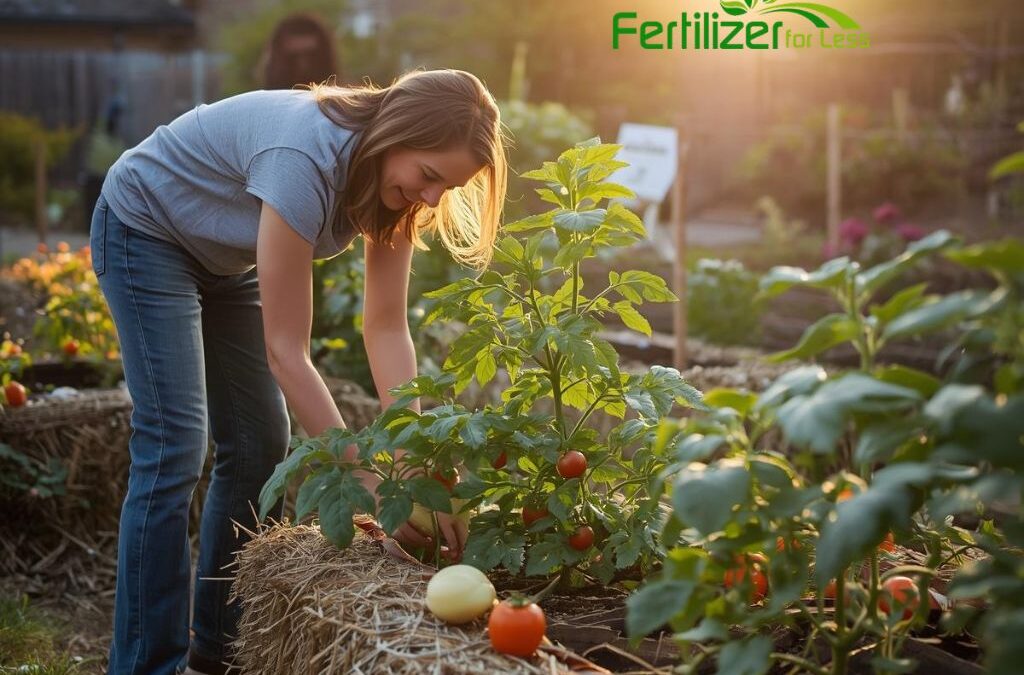
Straw bale gardens are inexpensive solutions for small growing spaces. When left out in the environment, straw bales create basically “sterile” soil for superb weed management. Just about everything grows well in bales, including peppers, tomatoes, cucumbers, and squash. You can even grow root vegetables like carrots and radishes!
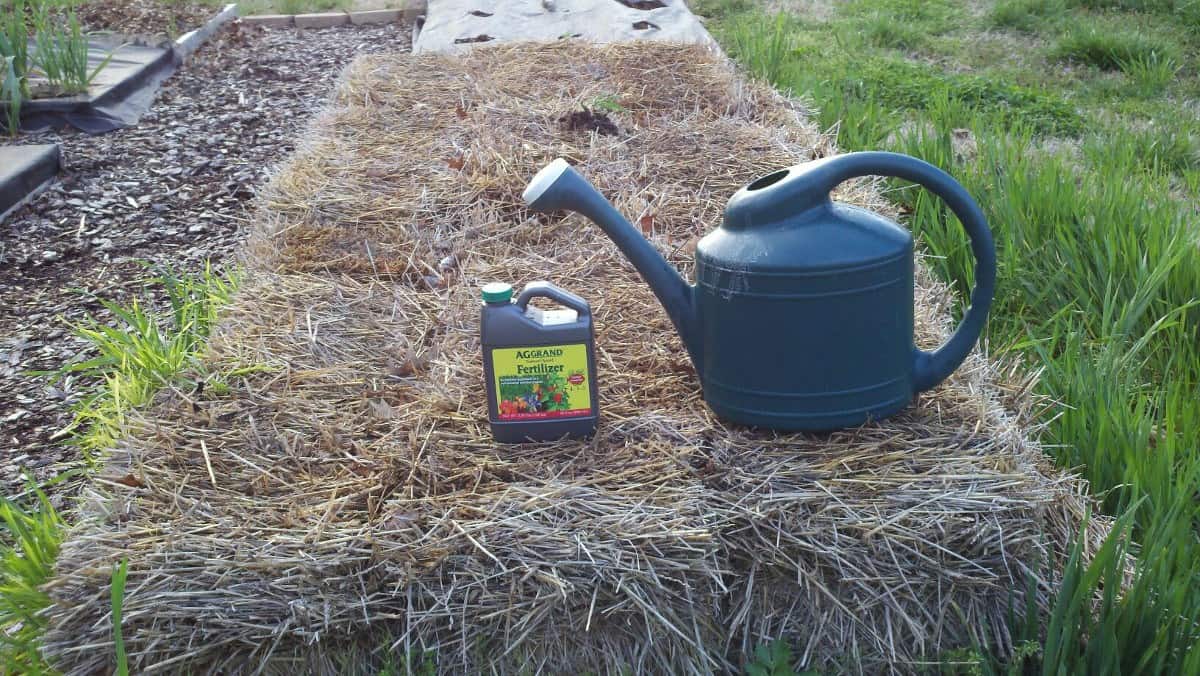
To start your straw bale garden, you will need to begin by conditioning the bales. This process involves adding water and fertilizer to the bales for a couple weeks prior to planting. The microbes in the straw will break down the organic material, creating a nutrient-rich environment for your plants.
When it’s time to plant, simply poke holes in the top of the bale and insert seedlings or seeds. Make sure to water regularly, as straw bales tend to dry out faster than traditional soil beds. As the plants grow, their roots will penetrate deeper into the bale, providing stability and continued access to nutrients.
Straw versus Hay
Be sure to use Straw and not Hay. Hay contains too many weeds and seeds. Straw is the left over from the harvesting of wheat, oats, and other grain crops. Straw contains little or no weed seed.
- Be sure to give your straw bales time to decompose. Accelerate the process by keeping them moist.
- Keep your bales wet when decomposing. It’s best to do this over the winter when there is more moisture.
- Add Nitrogen to allow the carbon content to be “broken down”. Neptune’s Harvest is an excellent product for this!
- Enjoy your own vegetable from your strawbale garden.
- Break down the remains after the growing season. You can use this new soil in another garden spot next year!
Gardening That’s Easier on Your Lower Back
Because straw bale gardening is a raised bed method, it eliminates the need for bending or kneeling while tending to your plants. This makes it an ideal option for those with mobility issues or physical limitations. Additionally, straw bales are free from weeds and pests, reducing the amount of maintenance required.
Not only does straw bale gardening save you time and effort, but it also allows for better air circulation and drainage in your garden. This promotes healthier root growth and can result in higher yields. And since the bales act as a natural insulator, they can extend your growing season by keeping the soil warmer during cooler months.
Some content republished with permission from Lube-Direct.
Did you enjoy this info on straw bale gardening? Are you interested in more great information from Fertilizer for Less? Check out our News section. You will find growing guides for specific crops. We also have application guides to help your vegetables grow.