
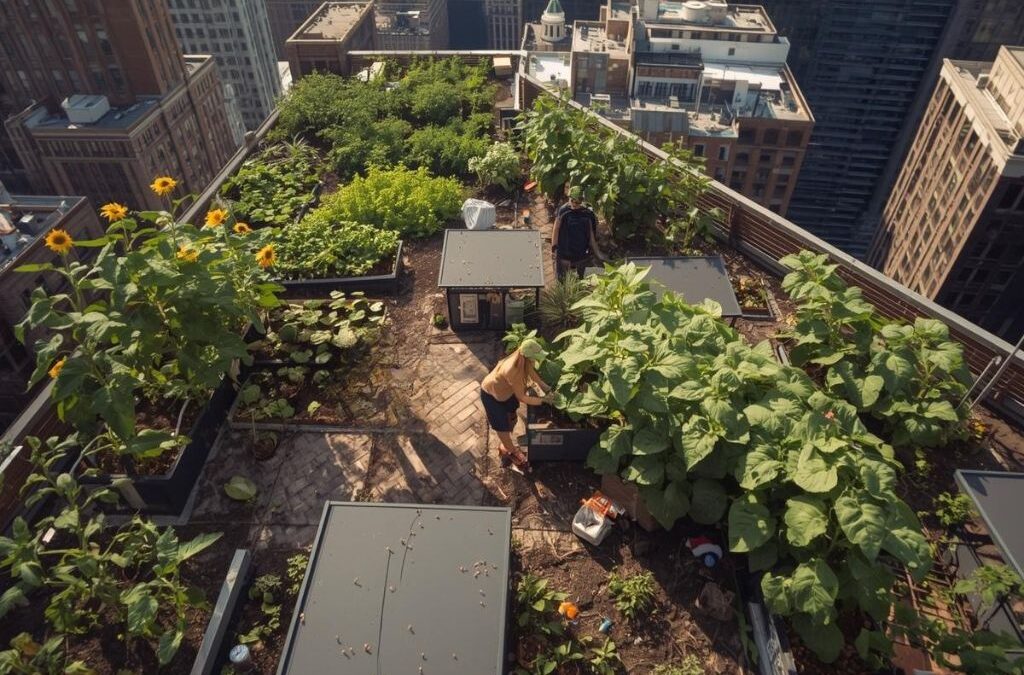
Green roofs offer a multitude of significant environmental, economic, and social benefits, making them a cornerstone of sustainable urban development. Environmentally, they act as natural air purifiers, filtering pollutants and producing oxygen to improve overall air quality. They also play a critical role in managing stormwater runoff by absorbing rainwater, which reduces the strain on city drainage systems. Furthermore, these living roofs enhance urban biodiversity by creating habitats for birds, insects, and other wildlife. Economically, green roofs lead to increased energy efficiency by providing natural insulation, which lowers heating and cooling costs for the building. Socially, they can offer residents access to green spaces for recreation and relaxation, fostering a greater sense of community well-being. As they begin to integrate these systems, cities and municipalities demonstrate a commitment to both architectural innovation and a healthier, more sustainable future.
“What is a Green Roof?”
A green roof, also known as a living roof, is a layer of vegetation planted over a waterproofing membrane on top of a flat or slightly sloped roof. These roofs are not only visually appealing but also highly environmentally friendly and cost-efficient in the long run.
Stormwater Management
They significantly reduce stormwater runoff by absorbing rainwater, which helps prevent flooding and eases the burden on sewer systems. Additionally, green roofs provide natural insulation, reducing energy use for heating in the winter and cooling in the summer. They also combat the urban heat island effect, where cities are significantly warmer than surrounding rural areas, by cooling the air and lowering ambient temperatures.
“What is the heat island Effect?”
Great question! The term “heat island” describes the way most urban areas tend to be a little warmer than nearby rural areas. In some cases, the temperature difference can be pretty significant. The reason for this change in temperature is due to many different contributing factors. Especially in the summer, there is a high energy demand. Air-conditioning, pollution and greenhouse gases all contribute to the heat island effect. In the evenings, the change in temperature can be even more significant in urban areas due to the storage of heat in the roads, roofs and other structures.
Heat islands can also lead to increased energy usage and air pollution, making them a concern for both the environment and human health. One of the main causes of heat islands is the lack of vegetation in urban areas. Trees and vegetation help to cool the air through a process called evapotranspiration. That simple fact makes it important for cities to incorporate green spaces and trees into their design and planning.
“How are Green Roofs Energy Efficient?”
Green roofs offer substantial air quality benefits that can transform an urban environment. They act as natural air purifiers, with the vegetation absorbing harmful greenhouse gases like carbon dioxide through photosynthesis. Additionally, the plant foliage is effective at trapping airborne pollutants, dust, and particulate matter, effectively filtering the surrounding air. This process not only reduces the overall pollution levels but also helps to mitigate the urban heat island effect. By implementing green roofs, communities can move towards a future with cleaner, healthier air for everyone to breathe.
Green roofs also reduce the heat flux through the roof. Do you know what this means?
The roof surface of traditional buildings can reach temperatures up to 90°F or higher on a hot summer day. This heat is absorbed into the building and can greatly increase cooling costs. However, green roofs act as insulators and help to reduce the amount of heat transferred through the roof, keeping buildings cooler in the summer and warmer in the winter. This not only decreases energy consumption but also extends the lifespan of roofing materials.
Less energy for cooling things down or heating things up can lead to significant savings in cost.
As electricity prices continue to rise and data centers eat up all the electrons our local generation systems can produce, green roofs are becoming a popular solution for sustainable and energy-efficient buildings. As the energy crisis deepens, it’s becoming more important than ever to ensure the efficiency of our infrastructure.
Prepare to be amazed, folks. Because not only is a green roof going to save you money while saving energy, but a green roof can also even extend the life of a traditional roof by almost three times its original lifespan! Can you believe that?! This means that while you may have to replace a traditional roof every ten or fifteen years depending on the type of shingles you have, you don’t have to replace a green roof for between thirty or fifty years. Talk about savings!
Another environmental benefit of a green roof that is rarely considered but very important, is that a green roof protects the building from direct solar radiation in the summer. Instead of enduring asphalt damage, sun bleaching, or warping and cracking, consider going green when it comes to your roof. It definitely pays off in the long run.
“How Much Does a Green Roof typically Cost?”
A green roof’s cost can vary significantly, but on average, you can expect to pay between $15 to $20 per square foot.
This estimated cost range is comprehensive, covering all necessary components for installation. It includes not just the foundational elements like waterproofing and root barriers, but also the growth medium (soil) and the plants themselves. The price accounts for different types of green roofs, whether for high-density residential buildings, commercial office spaces, or large-scale industrial facilities. Factors like the specific system chosen, regional labor costs, and the complexity of the design will ultimately influence the final price within this range.
A Green Roof Can Raise the Value of Your Home
It’s true—a green roof can significantly raise the value of your home and land. Much like a well-placed, aesthetically appealing tree in the front yard or a beautifully designed landscape, a green roof enhances curb appeal and signals a high-quality, environmentally conscious property. But the increased land value doesn’t stop with you. The positive impact extends to the entire neighborhood, increasing the value of the houses and land around you, too! This creates a ripple effect, as the improved aesthetics and environmental benefits contribute to a more desirable and valuable community for everyone.
If you ever sell your house, a green roof can raise the marketability and value of your home. The chances of having good prospective buyers goes up when you have a green roof, too.
Decorative as well as Eco-Friendly
Green roofs are not only visually stunning but also offer remarkable environmental benefits, making them a fantastic addition to any building. Imagine a vibrant garden thriving right above your head! This innovative approach to roofing is more than just beautiful; it’s an eco-friendly powerhouse.
Consider the incredible advantages of having a green roof. They provide excellent insulation, which helps with temperature control by keeping your building cooler in the summer and warmer in the winter, ultimately reducing energy costs. They also act as natural sound barriers, significantly reducing noise from the outside world. Furthermore, these urban oases create a much-needed habitat for wildlife like birds and insects, contributing to local biodiversity. It’s a beautiful, sustainable solution that benefits both you and the planet.
If you want to dive in and learn more about what a green roof can do for you and how you can get one for yourself, consider speaking to some licensed roof installers and making your wish come true. There’s nothing like a cost-effective, long lasting, beautiful, eco-friendly roof, now is there?