How to Grow the Best Tomatoes
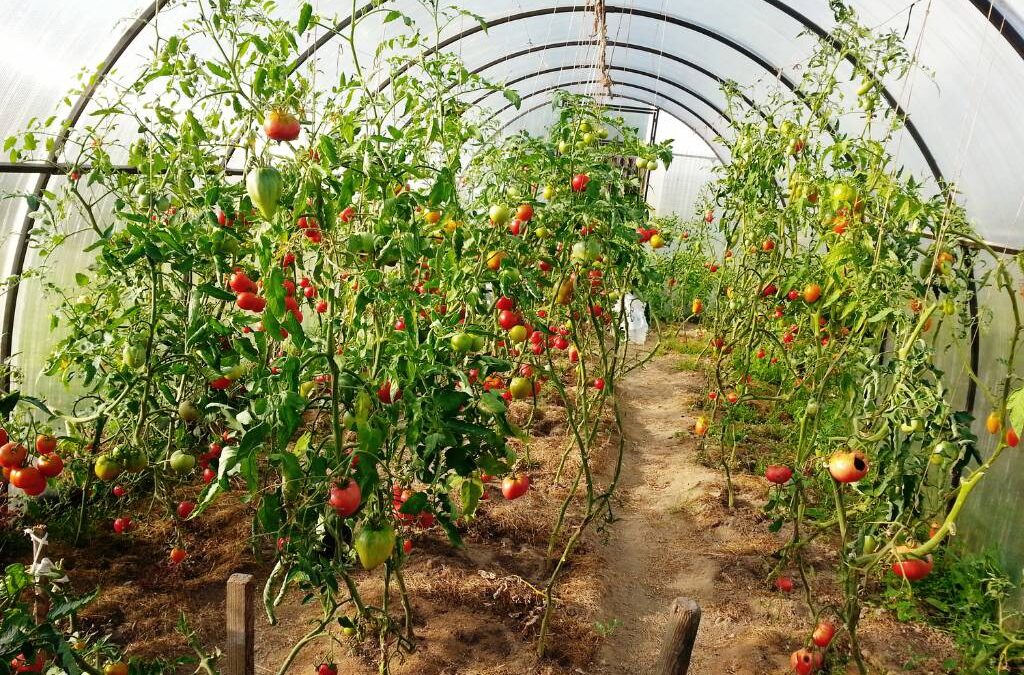
Want to know how to grow the best tomatoes? Tomatoes can be a challenge sometimes. They are susceptible to several pests such as aphids and hornworms, and whiteflies. However, if your plants have the proper nutrition it can help reduce pest problems. Calcium, potassium, and nitrogen are especially crucial for tomatoes. The development of an organic growing system that stimulates rapid growth is critical. Young and tender plants are an inviting target for pest insects. You should include organic compost, worm castings, and a soil inoculant into your growing medium to boost growth. Once your seedlings emerge, start planning the first round of fertilization.
Fertilize Tomatoes with ORGANICS Natural Kelp Liquid Fertilizer
Once you see 2-3 true leaves emerge it is time to fertilize. Mix 1 gallon Liquid Natural Fertilizer and 50 gallons of water per acre. Next, apply this mix as a fine mist to the tops and bottoms of leaves. Use enough solution to wet the leaf surfaces. You should apply in 14-21 day intervals after the plants reach 2-3 true leaves. The critical stages for foliar applications are 2-3 true leaves, pre-bloom and early cluster formation. Rates vary according to other inputs used. Lower dilution rates are more effective than higher dilution rates. Two or three lighter applications may be more effective than one or two heavier applications. If other constraints allow only one application, do not exceed a 3 percent dilution rate (3 gallons organic fertilizers to 97 gallons water). To reduce susceptibility to attack of insects and disease-causing organisms, apply a per-acre mixture of 1 quart Kelp and 35 gallons of water when signs of infestation become apparent.
General Tomato Plant Care for the Full Growing Season
Tomatoes need about two inches of water per week during the hot summer months. However, take care! Too much water can cause ripening tomatoes to split. You can place a flat rock next to each plant to help with moisture retention. As an alternative, top-dress with a 1/2 inch layer of mulch. Make sure you picked a sunny location that is protected from extreme winds.
You will want to check your plants at least every other day for signs of disease or pest insects. Tomatoes are heavy feeders, so it’s important to fertilize regularly throughout the growing season. Use a balanced fertilizer with equal amounts of nitrogen, phosphorus, and potassium. Nitrogen promotes leaf growth, phosphorus helps with root development and flower production, and potassium aids in overall plant health.
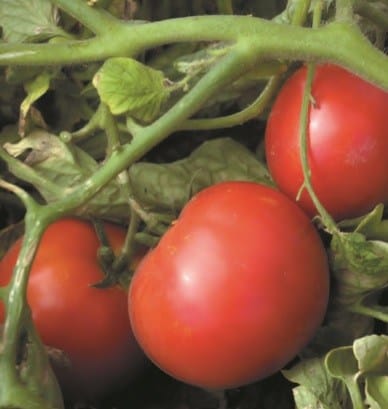
When planting your tomatoes, make sure to space them at least 18 inches apart to allow for proper air circulation. This will help prevent diseases such as blight or powdery mildew. You can also prune off any lower branches that touch the ground to further improve air flow.
As your tomato plants grow taller, they will need support to keep their stems from bending or breaking due to the weight of fruit. You can use stakes or cages to prop them up and ensure they grow strong and healthy.
It’s also important to water your tomatoes regularly, especially during hot summer months. Aim for deep, infrequent watering rather than frequent shallow watering. This will encourage the roots to grow deeper into the soil, making the plants more drought-resistant.
When it comes time to harvest your tomatoes, make sure to pick them when they are ripe. A ripe tomato will be firm but slightly soft to the touch and have a bright red color. You can also tell if a tomato is ripe by checking if it easily detaches from the stem with a gentle tug.
Dealing With Pests in Your Raised Beds
Don’t indiscriminately kill any insects you find! Google is your friend. Be sure to make sure it is not a beneficial insect like a ladybug or a caterpillar covered in predatory wasps. You want to let those go so that they increase in numbers and work for you. Identify signs of disease and pests early on by regularly inspecting your plants. Look for yellowing or wilting leaves, discoloration or spotting on the fruit, and any unusual growths.
If you do find harmful insects or signs of disease, there are natural remedies that can help without damaging your plants. For example, you can spray a diluted solution of soap and water onto your plants to deter insects like aphids and mites. You can also use organic insecticidal oils made from plant extracts to control pests without harming beneficial insects.
Another option is using companion planting in your raised beds. Certain plants have natural repellent properties against pests, so surrounding your vegetable plants with these types of flowers or herbs can help keep them at bay. Some common companions for tomatoes are marigolds, basil, and chives.
Pruning Tomato Plants
There are several reasons to prune. The main thing is that it forces the plant to put more energy into fruit production. Look for new growth shoots that point down to form a “V” with the branch above them. You want to remove these as soon as they appear. In fact, you can even get these to root sometimes and provide you with a new clone to plant. This works our pretty well in the south where we have a longer growing season. Just be sure to stay on top of pruning and to keep your plants supported well. You can purchase a tomato cage or develop some other type of structure to support the growing branches.
Fertilizer for Less
We hope you enjoyed this tomato plant care guide! Now you know how to grow the best tomatoes possible for your area. Let us know if we can provide some more specific information to your unique growing conditions.