
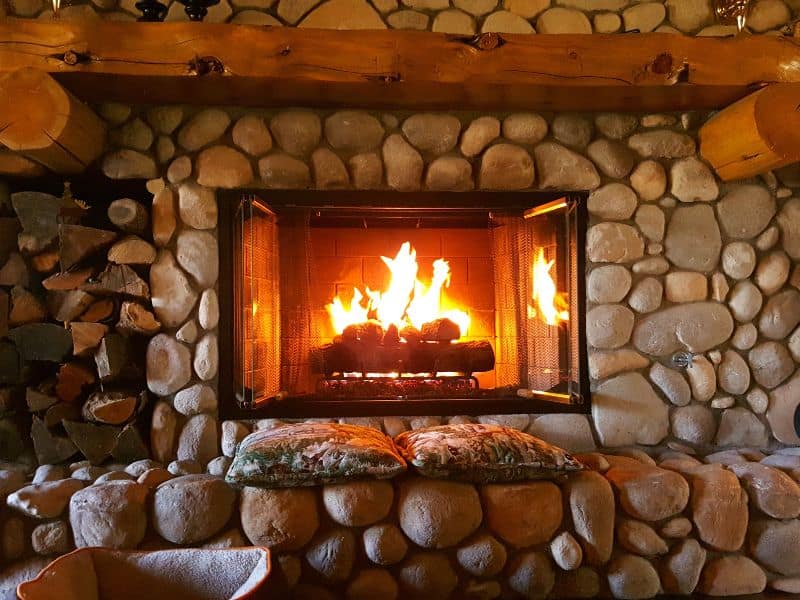
Making sure that your home’s fireplace is in top-notch condition isn’t simply about keeping it well stocked with wood and clearing away the ashes. If you have an active fireplace in your house, you will need to maintain the fireplace and the chimney to ensure that you are warming your home safely and efficiently. This will also ensure that you are not heightening fire risk or potential damage to the rest of your home.
So, if you have just moved into a property with a fireplace, you are eager to use, or you have just had one installed, here are some tips on maintaining an active fireplace.
It’s Your Fireplace – Keep It Clean
The first step in keeping a fireplace safe and functional is to keep it clean. This involves more than just a quick wipe-down; it’s about diligent upkeep. A clean fireplace is essential for preventing potential hazards and ensuring efficient operation. You should aim to keep the entire area free from debris, making sure that it not only looks clean but is also regularly wiped over inside. Any accumulation of ash, soot, and dirt around the fireplace or within the firebox can present a potential fire hazard. These materials are flammable and can ignite unexpectedly. Therefore, you will need to make sure that your firebox is clear by cleaning it out regularly, ideally after every few uses or when the ash becomes too deep.
Call In A Chimney Sweep for Deep Cleaning
It may sound like something out of Mary Poppins, but when you have an active fireplace, you will need to call in a chimney sweep as part of its maintenance. These professionals will look for blockages by shining a torch up the chimney and using special tools to remove any potential issues if they see them.
In addition to clearing away the soot, creosote, and other debris that has accumulated over time, a professional chimney sweep can also conduct a thorough inspection for any structural problems with the bricks and mortar of your chimney. This includes checking for cracks, loose bricks, or damage to the flue liner. Identifying these issues early can prevent more serious and costly repairs down the line, so calling in an expert at least once a year is a worthwhile investment to properly maintain your fireplace and ensure it operates safely and efficiently.
Fit Carbon Monoxide Detectors Throughout Your Home
Every home should have carbon monoxide detectors – especially properties with an active fireplace. In fact, carbon monoxide will be produced in greater quantity if your fire is not maintained correctly or the chimney is blocked.
Carbon monoxide is a colorless and odorless gas produced by the incomplete burning of carbon-based fuels, including wood burned in a fireplace. This gas is notoriously difficult to detect without a specialized device, yet it can be deadly if it accumulates in an enclosed space. To ensure your home remains a safe environment, it is crucial to install a carbon monoxide detector. Position the detector near your fireplace according to the manufacturer’s instructions. This simple step will provide an early warning, alerting you with an alarm if dangerous levels of the gas are detected, giving you time to ventilate the area and seek safety.
Look After The Surroundings During Burning
You will also need to ensure that the fireplace’s surroundings are kept looking like new to keep the fire where it needs to be and maintain its aesthetic appeal. If your fireplace surround is made of natural materials like stone or marble, remember that they are just as susceptible to dirt, soot, and grime as other surfaces in your home. Regular cleaning is essential to prevent buildup. You also need to properly seal the stone to ensure that it does not become stained or damaged by the heat and embers from the fire. This protective layer will make cleaning easier and prolong the life and beauty of your fireplace surround.
Only Burn Wood and Check Out Creosote Logs
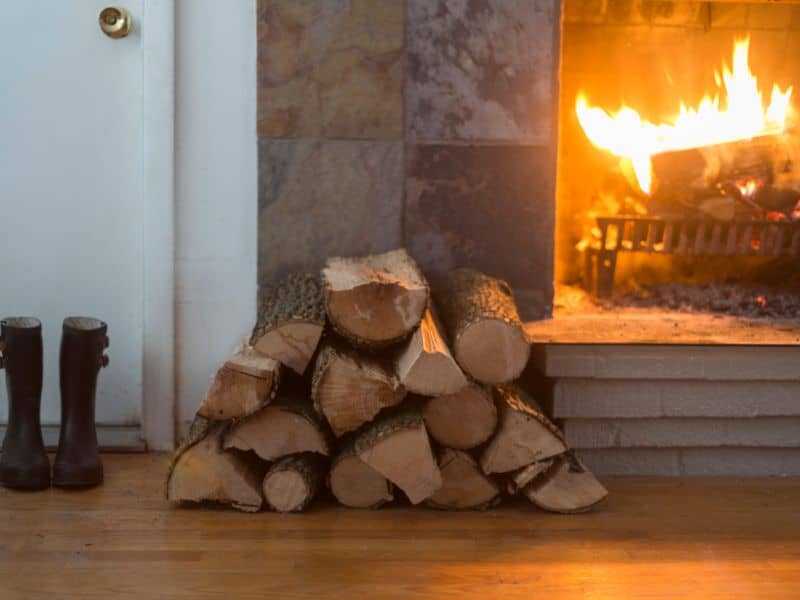
Only burn wood in your fireplace, preferably dry logs. You can also periodically use those creosote logs often sold in the grocery store. Just follow the manufacturer’s instructions for proper use. By reducing moisture content, you can also avoid tar building up in the flue and potentially causing problems. Dry logs also burn more efficiently, but you should never burn combustible materials like paper, painted wood, or plastic in your fireplace – all of these can release toxic fumes, which can harm you and cause issues with the flue.
Proper Maintenance is Key
To keep your fireplace in top condition, it’s important to have regular maintenance performed. This includes having the flue cleaned and inspected at least once a year by a qualified professional. They can remove any build-up or debris that could potentially block the flue and cause dangerous smoke to back up into your home. It’s also a good idea to check for cracks or any other damage to the fireplace surround, as this can compromise its safety and effectiveness.
Keep Your Fireplace Surround Clean
In addition to regular maintenance, it’s important to keep your fireplace surround clean. Dust and soot can accumulate over time, making it look dirty and unattractive. You can use a soft cloth or brush with mild soap and water to gently clean the surround. Avoid using harsh chemicals or abrasive materials, as these can damage the surface.
Another way to keep your fireplace surround looking its best is by regularly polishing it with a specialized product made specifically for fireplaces. This will not only remove any stubborn stains or residue but also protect the surface from future damage. I hope you enjoy your new fireplace and remember to always practice safety and effectiveness when using it. Happy fireside evenings!