
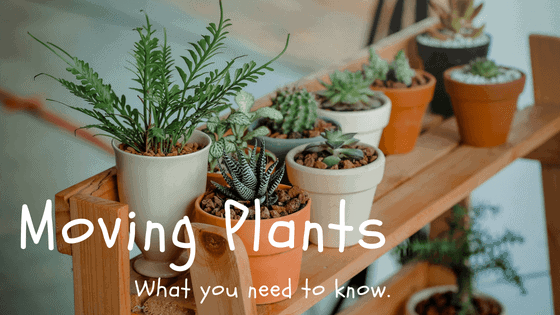
Moving to a new state soon? Have you realized that you may or may not be able to bring all of your prized plants that you lovingly took care of for the past few months or even years? Well, sorry to break it to you, but you may need to leave some of them behind depending on the kind of plants you have and the state you are moving into. Some species can cause serious damage to the local ecosystem in your new home state. So, local regulators have placed restrictions on plant species that may bring disease or pests into the area.
But Don’t Worry!
Before you bid goodbye to your beloved plants prematurely, let us help you understand why some plants can’t be taken across some states and how to plan accordingly. So read on! Most people think that moving household plants isn’t a big deal. But in reality, there are state and federal regulations that specifically deal with moving plants. So it may not be as easy as you think. It is crucial that government officials regulate moving plants so as they can handle and prevent disease outbreaks and insect infestations. Anyone who has spent time in the southeastern US has likely witnessed the relentless spread of kudzu, a vine that can often be seen completely blanketing trees, buildings, and anything else in its path. Originally introduced from Japan in the late 19th century as an ornamental plant and later used for erosion control, kudzu quickly became known as “the vine that ate the South.” It is now considered a highly invasive species. Kudzu serves as a classic cautionary tale, perfectly illustrating why state and federal governments exercise caution when it comes to introducing non-native plants into local ecosystems. Invasive plants like kudzu can outcompete and smother native species, depriving them of sunlight and essential resources. This disruption can lead to a decrease in biodiversity and cause significant harm to the local environment, affecting everything from insect populations to the health of the forests.
How do Some States Regulate Moving Plants?
- Only indoor plants are allowed to move into some areas.
- All potted plants should have fresh and sterile potting soil.
- Plant inspections are sometimes made.
- Plants might undergo a quarantine period.
- If you’re unaware of the existing regulations on moving plants and you decided to move them with you, they might be confiscated at borders.
- Some states have stricter regulations that may ban some plants altogether.
What Should You Do Next?
Check with Each State’s Department of Agriculture
Before you hit the road, it’s crucial to be well-informed about the specific agricultural guidelines for each state you’ll be driving through or into. Different states have different rules to protect their local ecosystems from invasive pests and diseases. The best source for this information is the State’s Department of Agriculture or the Department of Natural Resources. A quick visit to their website or a phone call can clarify regulations regarding the transportation of plants, produce, or even firewood.
If That’s Too Much, Check with Your Current State’s Department of Agriculture
Gathering information from multiple states can sometimes be overwhelming, especially if your route is long or subject to change. If you find yourself in this situation, a great starting point is your own state’s Department of Agriculture. Their staff are often knowledgeable about interstate regulations and can guide you through the process. They might not have every detail for every state, but they can typically provide you with helpful resources, contact information for other states’ departments, or general best practices to follow. This can save you a significant amount of time and ensure you’re traveling responsibly.

Tips on Moving Plants Across State Lines
- Don’t try to sneak in prohibited plants or be ready to pay hefty fines if you got caught.
- Decide on gifting them to a friend or a family member who can take good care of them for you instead of moving them.
- Be sure to follow all state’s guidelines in preparing your plants for the move.
- Plan ahead to account for any inspections that need to be made.
- Pack plants in a way that they are easily accessible.
- If you don’t want to go through the stress of figuring out all the regulations, you can opt to ship your plants separately and let the shipping company deal with the rest of the processes.
- Consider hiring professional movers. It will save you a lot of time and headache.
Safe Shipping in Protective Cardboard Boxes
Plants can easily be damaged in transit from one place to the next. Fortunately, these sturdy cardboard boxes were specially designed to stabilize and protect your plants during shipping. With reinforced corners and ample cushioning, your plants will arrive at their destination in perfect condition.
Moving plants across state lines can be a stressful and complex process. Each state has its own regulations and guidelines for transporting plants, and failure to comply with these rules can result in hefty fines. Remember, if you’re in doubt, check with your State’s Department of Agriculture before moving your houseplants across state lines.