
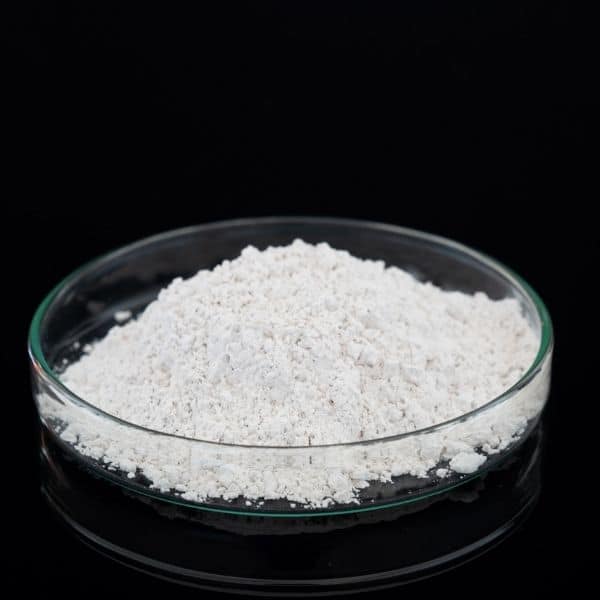
A soil amendment or soil conditioner helps improve the growth and health of plants. Whether or not it can be added, however, will depend on the type of plants, current soil composition, and the climate.
Soil amendments come in many types – lime, clay, gypsum, materials for water retention, and fertilizers for plant nutrients. Each one has a specific purpose.
Gypsum Application as a Soil Amendment
Gypsum, in particular, improves soil structure and helps release nutrients.
But is it suitable for agricultural application?
Calcium Sulfate (CaSo4) or agricultural gypsum has the right content as a soil amendment for a farm and other agricultural areas.
It has soluble calcium that allows air and water movement by flocculating swelling clay soils and a sulfate form of sulfur that converts soil for plant use without acidifying it.
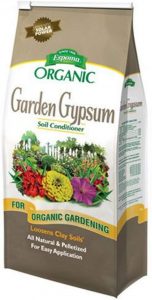

In addition, Agricultural Gypsum also:
- Removes toxins from soil particles by displacing magnesium and prevent dispersion in the process.
- Reduces toxicity of subsoil alum because of the mobile calcium that reaches subsoil levels.
- Keeps dissolved phosphorus in the soil for plant use, preventing runoff
Plus it reduces volatilization and stabilizes the nitrogen found in urea fertilizer products. Gypsum can be used in a variety of agricultural practices, including crop production, soil remediation, and livestock feed supplementation. Its use has been proven to increase crop yields and improve overall plant health.
One of the main benefits of Agricultural Gypsum is its ability to remove toxins from soil particles. By displacing magnesium, it prevents dispersion and can help detoxify contaminated soils. This makes it an important tool in soil remediation efforts.
But where agricultural gain is concerned, however, agricultural gypsum is the leading option.
What makes an effective choice is that it comes with properties that provide benefits for agricultural uses.
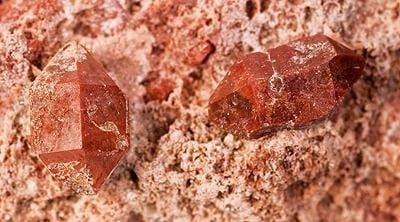
Sulfur is essential to crop yield, which nature provides through rainfall.
Recent studies show, however, that there is a decrease in sulfur inputs. Since agricultural gypsum contains 18.6% of sulfur, it can be used as a sulfur fertilizer to enhance production of crops, such as soybean and corn, in sulfur-deficient soils.
Because gypsum solubilizes slowly, it provides soil a continual release of sulfur for more than a year after it is applied.
It also has the calcium content needed to improve the quality of horticultural crops, which is why it is also used as a calcium fertilizer, especially when growing peanuts.
For disease-free peanuts, there should be adequate quantities of calcium present in the pegging zone, something that agricultural gypsum provides.
Agricultural gypsum Improves soil structure
The structure of a soil can impact a variety of soil processes, including the way chemical and water are transported, wind and water erosion, soil aeration, and response to mechanical stress.

Natural Source Vs Synthetic Gypsum: What You Need to Know
During your research, you may have come across two terms already – natural gypsum or synthetic. Gypsum is a naturally occurring mineral that is commonly used in agriculture as a soil amendment. It contains calcium and sulfur which are essential nutrients for plant growth. Gypsum helps to improve soil structure, making it more porous and allowing better air and water circulation. It also helps to regulate pH levels in the soil, ensuring optimal conditions for plant.
Synthetic gypsum, on the other hand, is a byproduct of industrial processes such as coal-fired power plants and chemical manufacturing. It is chemically identical to natural gypsum but is created through a different process.
In semiarid to humid regions, soils have an unstable structure, making them difficult to manage and susceptible to erosion. But with gypsum’s ability to flocculate, soil is made compact and clay dispersion is prevented.
This, in turn, ensures a strong surface crust that is dependent on moisture content and clay.
For this reason, agricultural gypsum is used as an amendment for sodic soil management and reclamation.
Improves soil chemical properties with gypsum
Plants can grow in acid soils, but their access to available aluminum and greater concentration of soluble is better when the soil’s pH is lower. The acidity in the subsoil also prevents roots from exploiting nutrients and water in the subsoil horizons.
By applying gypsum on the soil’s surface, root growth is improved and water stress is reduced. While agricultural lime and calcite lime can lower soil pH, only gypsum has the solubility that allows it to affect, at depth, the physical and chemical properties of soil.