

Winter can be tough on your lawn, but spring offers the perfect opportunity to undo the damage caused by frost, snow, and harsh winds. It’s common to find your yard littered with fallen leaves, broken tree limbs, and other organic debris that has accumulated over the colder months. This buildup can smother the grass beneath, preventing it from getting the sunlight and air it needs to grow. By taking the time to clear away this debris, you can prepare your lawn for a season of healthy, vibrant growth.
This layer of clutter not only looks messy but can also smother the grass beneath, blocking sunlight and air circulation. If you don’t clear it away, your lawn will struggle to grow, and you’ll likely find that it won’t become as lush and vibrant as you want it to be during the warmer months. So, what is the best thing to do? Well, it boils down on how well you prepare your lawn for spring. And one essential step in this process is to give your lawn a good dose of fertilizer. Beyond that, here’s our team’s top 5 tips for a lush lawn this Spring:
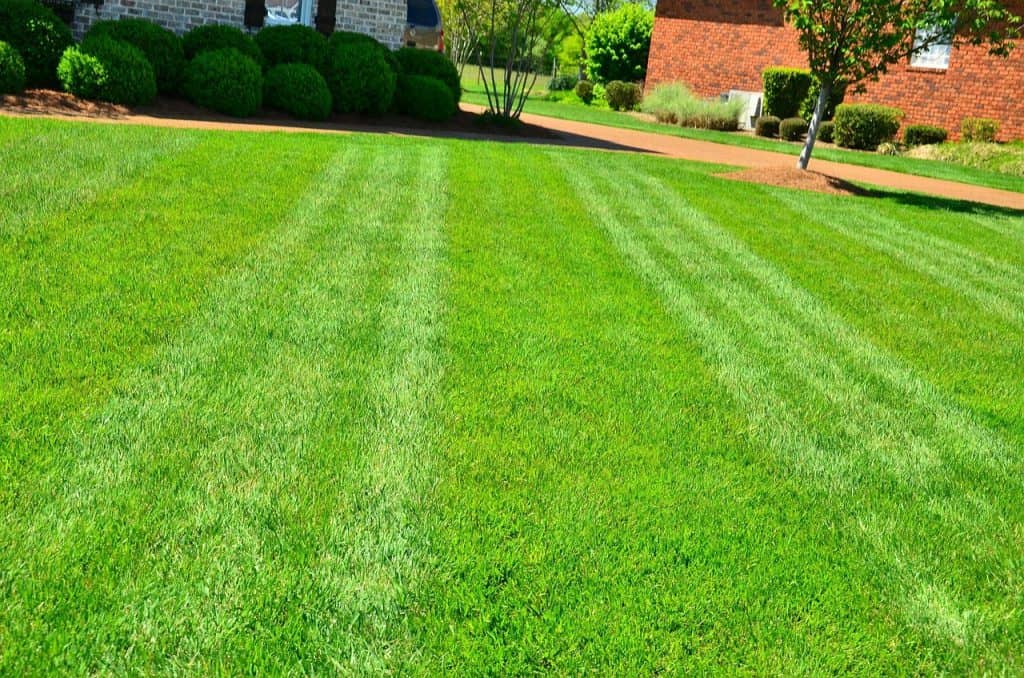
Source: https://pixabay.com/en/lawn-care-lawn-maintenance-643563/
Practical Tips for Preparing a Lawn for Spring:
1 – Assess your Spring Lawn for Bare Spots
After the snow melts, you may notice bare spots on your lawn. These patches can be caused by a variety of winter-related issues, including damage from snow removal equipment, heavy surface runoff from melting snow and ice, or the harmful effects of de-icing salts. To restore your lawn’s lush appearance, it’s best to address these bare spots early in the spring. Take the time to plant grass seed in these areas to encourage new growth and ensure a thick, healthy lawn for the coming season.
2 – Aerate Your Lawn Soil
Aeration is a vital step in preparing your lawn for the vibrant growth of spring. This process involves perforating the soil with small holes to loosen compacted earth, which can become dense over winter. By breaking up the soil, aeration allows essential nutrients, water, and, most importantly, oxygen to penetrate deep into the ground and reach the root structures of your grass and other plants. This improved access to air and resources encourages stronger, deeper root growth, resulting in a healthier, more resilient, and greener lawn.
3 – Add Fertilizer (Use Organic if Possible)
Depending on the species or type of grass you have on your lawn, you will need to apply a suitable fertilizer to provide your lawn with adequate nutrition to jump-start grass growth in spring. A good recommendation is to use an organic plant food or just a light inorganic fertilizer. Fertilize your lawn such that you are finished just before the hotter months arrive.
4 – Create a Lawn Watering Plan
To keep your lawn lush and green during the hot summer months, it needs adequate water. Without a consistent supply, the grass can turn brown and dormant. The best way to ensure it gets the right amount of moisture is to set up a regular watering schedule. The specific amount of water your grass requires will depend on its type, local climate, and soil conditions, but as a general rule, most lawns need about an inch of water each week. To track this accurately, consider setting up a rain gauge. This simple tool will help you measure how much water the lawn receives from natural rainfall, allowing you to supplement the rest with your sprinkler system and avoid overwatering. As a rule of thumb watering every seven days in the early morning or evening is recommended. This allows the water to soak into the soil and reach the roots before it evaporates in the heat of the day.
5 – Mow the Lawn Appropriately and Deal With Weeds
Experts recommend that you mow your lawn a little bit higher (3 inches or higher) after winter to ensure they remain green. Take time to tune-up your string trimmer and lawn mower. Maintain higher mow heights will also help maintain the lawn healthy even if it fails to receive enough water. Weed control is best achieved by pulling weeds when they are small and remain on top of the lawn care. Follow these easy tips from Fertilizer for Less – your yard and lawn will remain green, healthy all year round.
RELATED: Best Weed Eater Reviews