

How to Grow Organic Walnuts – Grow Black Walnut Trees and Other Cultivars With Regenerative Methods
Today I’m going to discuss growing walnuts with organic fertilizer. You can actually save a lot of money with organic and natural fertilizers because the absorption rates are much greater. Growing from a single seed to the mighty tree pictured above takes a lot of time. But walnuts thrive with the right care and nutrition, making them a great investment for your backyard garden.
Information on Walnut Growing
First, let’s talk about the type of soil walnuts prefer. They like well-drained soils with good structure, so it’s important to make sure your soil is healthy before planting. You can achieve this by adding compost or other organic matter to improve the soil’s fertility and structure.
Next, let’s discuss fertilizing. While traditional chemical fertilizers may seem like a quick fix, they can actually harm your walnut trees in the long run. Organic fertilizer, on the other hand, works with the natural processes of the soil and provides a slow release of nutrients over time. This means that your walnuts will be getting a steady amount of nutrients without any harsh chemicals.
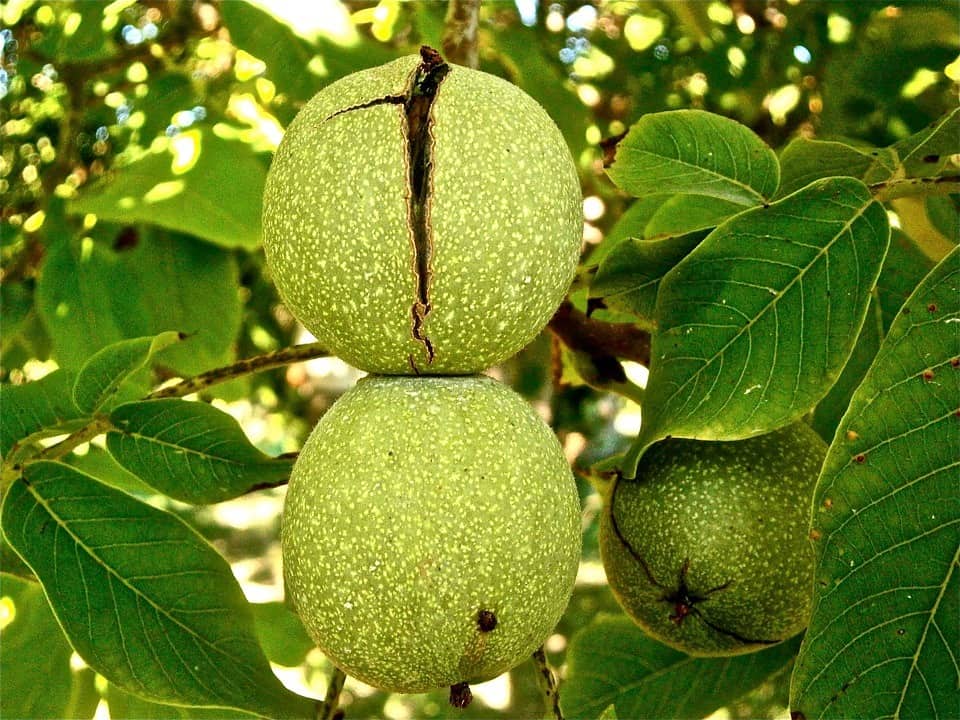
With liquid organic fertilizers, you can do a foliar application with a commercial sprayer. This gets your fertilization efficiency up over 94%. But before we go into the technical details, let’s take a look at some more general information on growing walnuts.
Overview of Walnut Cultivation
Walnut (Juglans regia L.), are commonly known as Persian, Carpathian, or English Walnuts. The tree is native to the Carpathian Mountains in Europe and grows eastward to the Himalayan Mountains and China. The J. regia variety was introduced to California from Chile via Spain and is commercially grown along the Pacific Coast of the United States. To resist temperature fluctuations, there have been a number of cultivars developed and employed throughout the world. Walnut trees prefer rich, sandy loam soils, about 2 meters deep. The pH can range from slightly acidic to neutral. Walnut trees do not thrive in soils that have alkali salts and excess boron. It takes approximately 150 days from pollination for nuts to reach full size.
Planting Walnuts: Tips and Tricks
Choose the right variety of walnut tree for your climate. Walnuts come in different varieties such as English, Black, and Persian walnuts, each suited to specific climates. Research which variety grows best in your area before making a purchase.
Next, make sure to plant your walnut trees in well-drained soil with good air circulation. This will prevent diseases like root rot and ensure healthy growth for your trees. It’s also important to choose a location with full sun exposure for optimal growth.
When it comes to spacing, walnut trees should be planted at least 25 feet apart from each other. This will give them enough room to grow and allow for proper air circulation between the trees.
Make sure to prepare the soil before planting by adding compost or aged manure to provide essential nutrients for your walnut trees. You can also use a fertilizer specifically designed for nut trees, but be careful not to over-fertilize as this can harm the tree’s growth.
Once your walnut trees are planted, it’s important to regularly water them during their first year of growth. After that, they are relatively drought-resistant and only need watering during prolonged dry periods.
Pruning is also crucial for walnut trees, as it helps promote strong and healthy growth. It’s best to prune during the tree’s dormant season, which is typically in late winter or early spring.
Walnut Nutrient Requirements
Walnuts need adequate soil moisture and fertility early in the season for maximum fruit size. When chemical fertilizers are used, fertilization usually occurs one time per year. Research has shown that foliar feeding has supplemented soil applications. Generally, the lack of nitrogen (N) and zinc (Zn) have been the limiting factors in walnut production. You can supplement these nutrients through foliar feeding with organic fertilizer. In addition, some sustainable methods of incorporating nitrogen have been the incorporation of compost, composted chicken manure, and the establishment of leguminous cover crops. To check the health of walnuts, a leaf tissue analysis should be taken on healthy midsummer foliage to determine nitrogen and zinc requirements. If additional zinc is required, galvanized nails or glazier points can be driven in the large limbs or the tree trunk.
Foliar Feeding with Neptune’s Harvest
Combine 2 gallons of Neptune’s Harvest and 1 gallon of Natural Kelp. Mix this concentrate with 100 gallons of water.
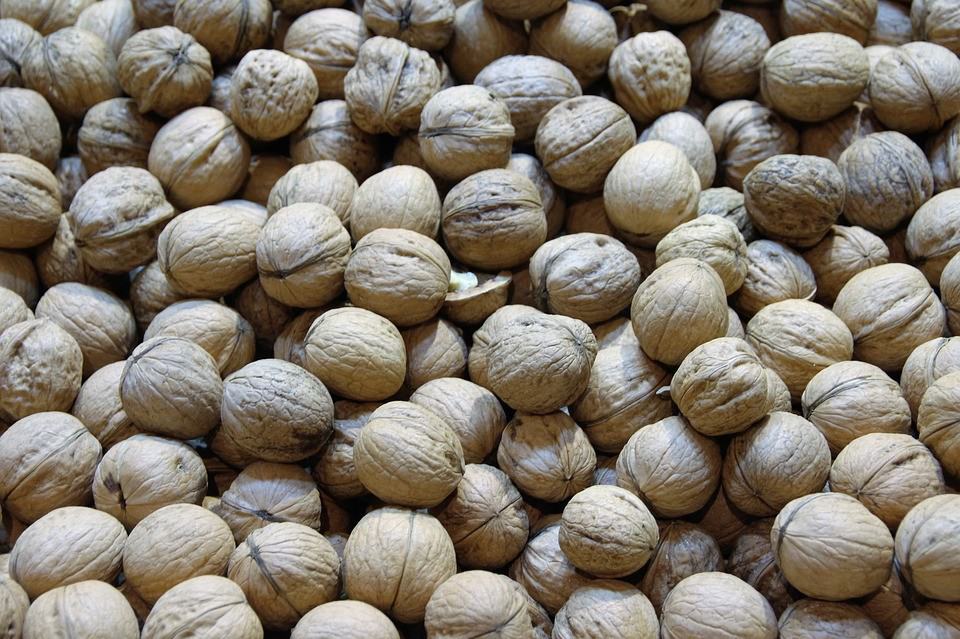
Apply as a fine mist to thoroughly wet the foliage at bud break. Follow up with two more feedings spaced 14 days apart. For these follow-up applications only use 1 gallon of Natural Kelp mixed with 50 gallons of water. Apply as a fine mist with enough solution to thoroughly wet the foliage.