
Bulk Organic Fertilizer
Saving Money and the Environment at the same time
Bulk Organic Fertilizer Options

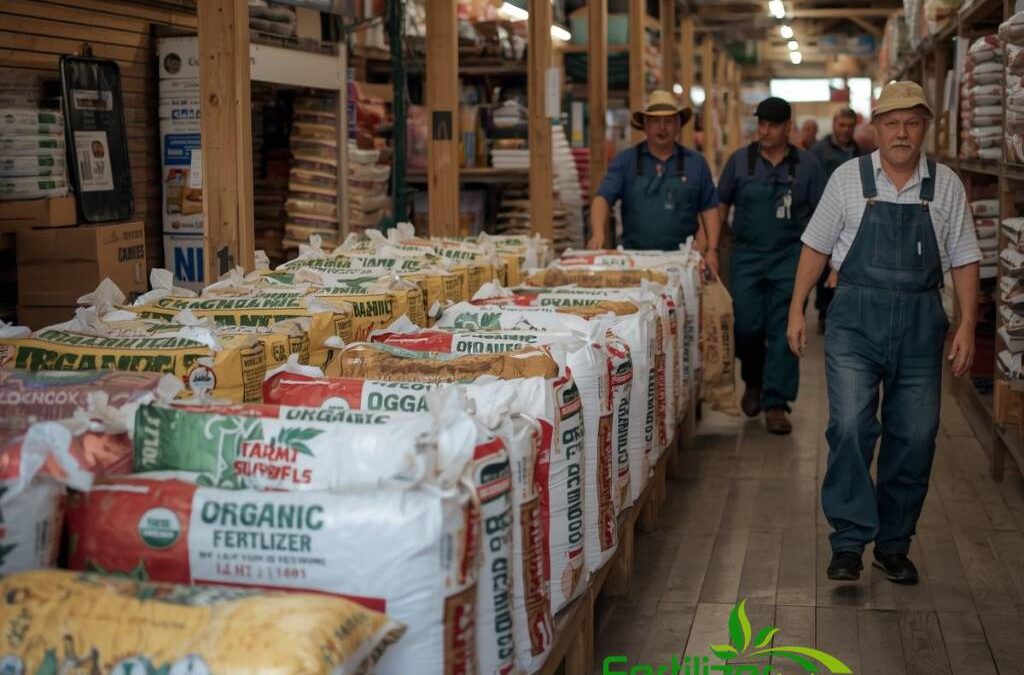
You always hear the phrase “buy in bulk and save”, everywhere you go. Often, people don’t think in those terms when it comes to fertilizer. If you own a large farm, you’re probably already getting your fertilizer on a flatbed. But there are organic options that offer not only bulk pricing, but the peace-of-mind you get knowing that what you’re applying will actually improve topsoil microbiology over time.
How To Compare Price
Buying organic fertilizers can be a bit confusing, especially when you’re faced with so many options. With different brands, types, and packaging sizes available, how do you know which one offers the best value for your money?
Luckily, there is a simple solution – comparing prices. By taking the time to compare prices of various organic fertilizers, you can make an informed decision and ensure that you are getting the most bang for your buck.
Here are some tips on how to effectively compare fertilizer prices:
1. Look at the cost per pound or kilogram
When comparing prices, it’s important to look at the cost per unit of measurement. This will help you determine which product offers the best value. For example, if Fertilizer A costs $10 for a 5-pound bag and Fertilizer B costs $15 for a 10-pound bag, Fertilizer A is the better deal as it costs only $2 per pound compared to Fertilizer B’s $1.50 per pound.
2. Consider the nutrient content
Another important factor to consider when comparing fertilizer prices is the nutrient content. Different fertilizers may have different ratios of nitrogen, phosphorus, and potassium – also known as NPK – which are essential nutrients for plant growth. Some fertilizers may have higher concentrations of certain nutrients which may justify a higher price. However, make sure to compare the overall nutrient content and not just one specific nutrient.
3. Look at the application rate
Fertilizers come in various forms such as liquid, granular, and slow-release. Each type has a specific application rate – the amount of fertilizer needed per square foot or acre. It is important to check the application rate for each fertilizer when comparing prices as some may require less product to cover the same area. This can result in significant cost savings in the long run.
4. Consider any additional benefits
Aside from NPK nutrients, some fertilizers may also contain micronutrients or other beneficial additives such as seaweed extract, humic acid, or mycorrhizae. These additional ingredients can provide added benefits for plant growth and overall health but may come at a higher cost. Consider if these added benefits are necessary for your specific needs before making a decision solely based on price.
5. Look for OMRI listed products
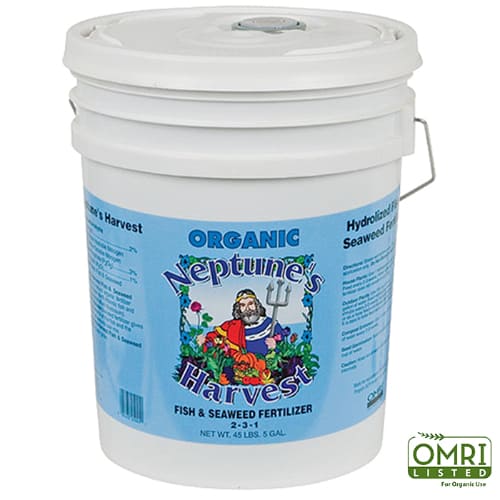
The Organic Materials Review Institute (OMRI) is an independent organization that evaluates and approves products for use in organic farming. If you are looking to use organic fertilizers, make sure to check for the OMRI seal on the product label. This ensures that the product has been rigorously tested and meets organic standards.
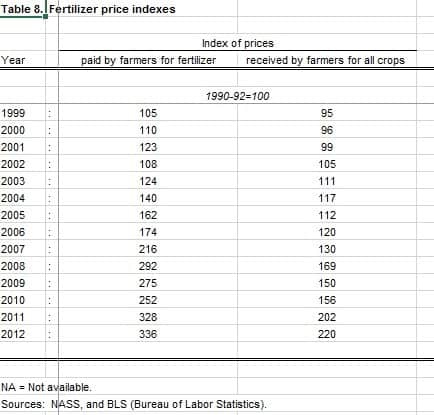
By the Numbers: Why organic fertilizers are a better choice for today’s farmers
Like what you’re reading? Feel free to share! Just be sure to link back to us please.